

Rumor Has It Sleeping Naked Is Better for Your Health
Why Everyone’s Talking About Sleeping Naked — and Why It Matters More Than You Think
You’ve probably heard it whispered in the gym, on TikTok, or from a friend who swears their sleep has never been deeper: “Sleeping naked is better.” It sounds cheeky, but there’s real science behind how what you wear (or don’t) to bed affects your body’s most important recovery system — sleep.
From core body temperature to hormones that regulate aging and stress, subtle changes overnight can ripple into your days. But before you toss your pajamas and run for the ice bath, let’s break down what’s real, what’s not, and how your bedding environment — especially breathability and airflow — plays a starring role.

How Body Temperature and Sleep Are Connected
The Science of Cooling Down
Your body naturally dips its core temperature in the evening as part of your circadian rhythm. That drop signals your brain: “It’s time to rest.” Cooler body temperatures are linked with faster sleep onset and longer periods of deep sleep, especially slow-wave and REM stages that are critical for recovery and memory.
Hot, restrictive fabrics — whether pajamas or heavy bedding — can trap heat and interfere with this natural cool-down process. Without effective heat dissipation, you’re more likely to toss, turn, and miss out on the sleep stages your body needs most.
Melatonin and Longevity
Melatonin isn’t just the “sleep hormone” — it’s also an antioxidant linked to cellular repair and anti-aging benefits. Research shows melatonin production increases as body temperature falls in a cool sleep environment. Helping your body cool naturally — whether through clothing choices or better bedding — supports this process.
Sleeping Naked: Facts, Benefits & Misconceptions
Does Sleeping Naked Improve Sleep Quality?
Potentially. Removing clothing can help your body cool more efficiently, helping you fall asleep faster and stay asleep longer. Experts recommend a sleep environment around 60–67°F (15.6–19.4°C) — and reducing barriers to thermoregulation, like tight fabrics, supports that.
This aligns with broader sleep science: cooler conditions help your body synchronize with its natural sleep rhythms.
Skin Health and Airflow
Wearing clothes to bed can trap heat and moisture — a combination that may promote irritation or bacterial growth, especially in sensitive areas. Allowing skin to stay uncovered and breathe overnight can reduce friction and moisture accumulation that sometimes leads to inflammation or infections.

Sleep Consistency & Recovery
Quality sleep isn’t just about how fast you fall asleep — it’s about how consistently your body stays comfortable through the night. When heat builds up or airflow is restricted, your body is forced to subtly shift, adjust, or wake just enough to break its natural sleep rhythm. Creating a breathable, personalized sleep environment helps minimize these disruptions, allowing you to stay in deeper stages of sleep longer — where real recovery happens.
What the Science Doesn’t Say
It’s worth noting that direct research on sleeping naked is limited; most evidence is observational or tied to related factors like temperature regulation or airflow. Blanket claims that sleeping naked cures X aren’t supported. But the underlying biology of body temperature, airflow, and sleep quality is well established.
If Sleeping Naked Feels Good — Great. But Let’s Talk Bedding.
Here’s where the narrative gets practical (and where BEDGEAR shines).
Sleeping without clothes can help your body stay cool — but your bedding makes an even bigger difference. If your sheets, pillows, and mattress trap heat or restrict airflow, the benefits of sleeping naked are muted.
Breathability Is the Real Game Changer
Airflow matters. Your skin should be able to interact with breathable surfaces that allow heat to dissipate naturally. BEDGEAR bedding is engineered for airflow with advanced materials that support your body’s cooling process through the night. That means deeper sleep, less tossing and turning, and fewer heat traps — with or without clothes.

Personalization Makes It Better
No two bodies are the same. Side sleeper? Back sleeper? Hot sleeper? Cold sleeper? BEDGEAR’s breathable Performance® Pillows, Sheets, and Mattress options are designed to match your sleep profile, so your environment works with your biology — not against it.
By focusing on personalized breathability and airflow, you can create a sleep system that supports:
- Deeper, more restorative sleep
- Efficient body heat dissipation
- Hormone processes like melatonin production
- Reduced friction against skin for comfort and health
- A sleep experience tailored to your needs
Actionable Tips: Cool Down Tonight (No Matter What You Wear)
Whether you’re ready to go fully naked or not, these sleep habits align with science and BEDGEAR’s philosophy:
- Prioritize airflow: Choose breathable sheets and pillow fabrics. Avoid heavy comforters that trap heat.
- Optimize room temperature: Aim for ~60–67°F (15.6–19.4°C) for best sleep quality.
- Let your bedding help: Look for materials that wick moisture and allow skin to cool naturally.
- Sleep system fit matters: Match your pillows and mattress to your body type and sleep position to reduce heat pockets and pressure points.
The Takeaway: Comfort, Not Gimmicks
Sleeping naked might help a bit — and it does align with why breathable, cool bedding improves sleep. But the real secret to better, healthier sleep is an environment that supports your body’s natural temperature regulation.
At BEDGEAR, we build sleep systems that work with your body, not against it — so whether you sleep clothed or unclothed, you get the deep, restorative rest your body needs to recover, reset, and thrive.
FAQs
Is sleeping naked actually better for your health?
Does sleeping naked help you sleep cooler?
What’s the best temperature for sleeping naked?
Can breathable bedding replace the need to sleep naked?
Why does airflow matter so much for sleep quality?
Does overheating really disrupt sleep even if you don’t wake up?
Are sheets or pillows more important for sleeping cooler?
How does personalized bedding improve sleep compared to one-size-fits-all options?
Is sleeping naked better than wearing breathable sleepwear?
What’s the biggest takeaway: sleeping naked or upgrading your bedding?
You May Also Like
-
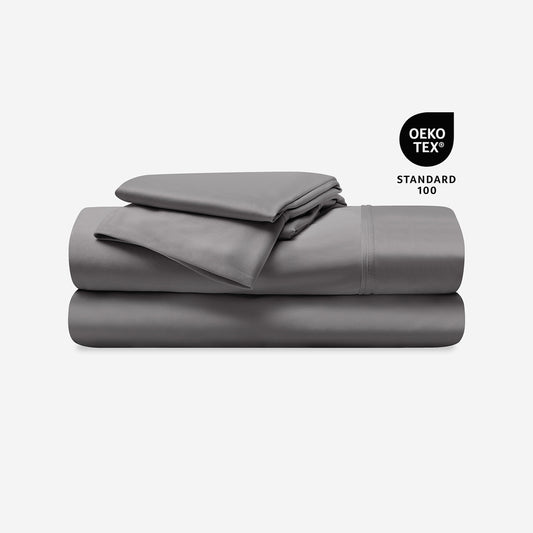
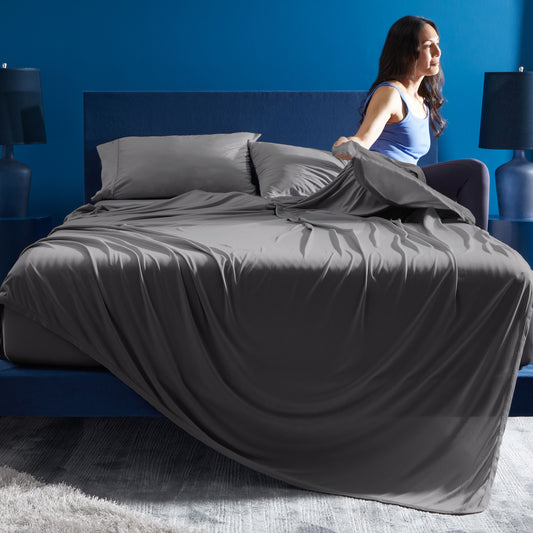 Moisture-WickingRegular price $199.99Sale price $199.99 Regular priceUnit price per
 -
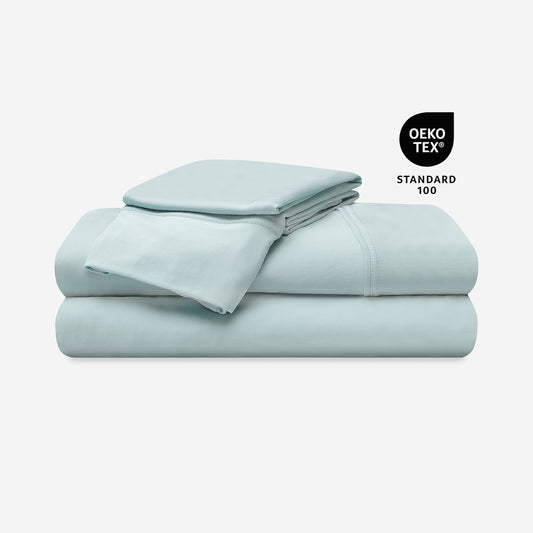
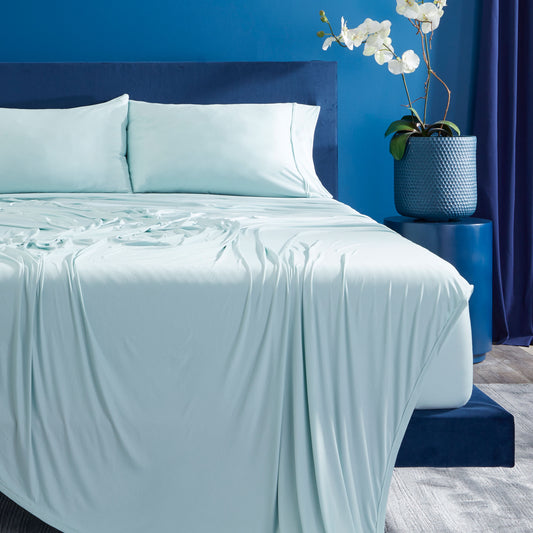 Instant-CoolingRegular price $299.99Sale price $299.99 Regular priceUnit price per
