

How to Prevent Bags and Dark Circles Under Your Eyes
Bags under eyes and dark circles are usually a mix of what you inherited and what happens between the hours of 11pm and 7am. You cannot change the first part.
You have real leverage over the second.
Fluid pools when you lie flat, and this is because skin creases where it catches on fabric. Short or broken sleep makes blood vessels under thin under-eye skin more visible. Each of those has a fix that costs you nothing more than a change in habit or a change in what your face rests on.
The good news is that we have your back. This guide covers what actually causes puffiness and shadowing, why sleep shows up on your face before anywhere else, and the small nightly changes that stack up.
Spoiler alert: the short answer to your sleep problem is a smoother pillowcase, real darkness, and a pillow that keeps you from tossing all night.
What Causes Bags and Dark Circles Under Your Eyes
The skin under your eyes is the thinnest on your body. There is very little fat and almost no oil gland activity to cushion it. That means anything happening underneath shows through more clearly than it would anywhere else on your face.
Puffiness and shadowing are two separate problems that often show up together. Puffiness is fluid; it collects in the tissue around the eye and makes the area look swollen. Dark circles are usually a visibility issue, where blood vessels or pigment sit close enough to the surface to read as a shadow.
Here is what drives each one:
- Sleeping flat: Gravity moves fluid toward your face when your head is level with your heart for hours.
- Age and thinning skin: Collagen and fat pads decline over time, so what is underneath becomes easier to see.
- Genetics: Some people simply have deeper tear troughs or more pigment in that area.
- Allergies and irritation: Histamine dilates vessels and rubbing your eyes makes it worse fast.
- Salt, alcohol, and dehydration: All three change how your body holds and moves fluid overnight.
- Short or broken sleep. Less restorative sleep means paler skin and more visible vessels underneath.
Sorting yours into the right bucket saves you time. If your under-eye area looks worst at 7am and better by 10am, you are dealing with fluid.
If it looks the same all day, it is more likely structural or pigment-related, and sleep habits will help less.
How Sleep Loss Shows Up on Your Face First
Ask anyone to guess whether you slept badly and they will look at your eyes; pretty much right away. And there is a reason for that. Sleep loss reduces circulation to the skin, which leaves it looking paler and makes the blue-toned vessels beneath the under-eye area stand out more sharply.
What's more, short sleep also raises cortisol, and higher cortisol pushes your body to hold onto fluid. So you get the double effect: more fluid pooling, plus thinner-looking skin for it to sit behind. That is why one bad night can be so obvious.
In fact, overnight is also when your skin does most of its repair work. Cell turnover and collagen production run highest during deep sleep, which is exactly the stage you lose first when your night gets cut short or fragmented. Our guide to how sleep affects aging goes deeper on that repair cycle.
The practical takeaway, though, is that quality matters as much as quantity here. Seven solid hours will do more for your under-eye area than eight broken ones.
Sleep Position, Fluid, and Why Mornings Are the Worst
Lie flat and fluid distributes evenly across your entire body, including the loose tissue around your eyes. Elevate your head slightly and gravity keeps working in your favor all night. It is one of the simplest changes on this list.
Stomach sleeping, on the other hand, is the toughest position for your face. It presses one side of your face into the pillow for hours and gives fluid the most opportunity to settle.
Side sleeping is easier on your face than stomach sleeping, though you will often notice the down-side eye looks puffier in the morning.
Position also affects how often you wake up, and how often you wake up affects how you look. If your pillow is not matched to how you sleep, you will shift positions more through the night. Our pillow guide by sleep position walks through how to match loft to your build and position.
All that being said, we list the most common overnight habits that stack up against each other below.
| Habit | Effect on Puffiness | Effect on Dark Circles |
|---|---|---|
| Slightly elevated head | Helps; less fluid pooling | Indirect; less swelling means less shadow |
| Stomach sleeping | Works against you | Adds creasing and pressure marks |
| Smoother pillowcase | Neutral | Helps; less friction and creasing |
| Fully dark room | Helps; deeper, less broken sleep | Helps; better circulation to skin |
| Late salty meal | Works against you | Neutral |
| Rubbing your eyes | Works against you | Works against you; irritation darkens the area |
Why Your Pillowcase Matters More Than You Think
Your face spends roughly a third of your life pressed against one piece of fabric. That fabric is doing two things you probably have not thought much about: creating friction and absorbing moisture.
Cotton is absorbent by design. That is great for a towel and less great for the serum and moisturizer you just applied. A more absorbent case pulls product and moisture away from your skin over the course of the night.
Friction is the other half of the battle. A rougher weave catches skin as you shift, and that tugging shows up as creases in the morning. Repeat it thousands of nights and those creases stop bouncing back as quickly.

Our Hyper-Silk Performance® Pillowcase is built for exactly this problem. The surface lets skin glide instead of catch, and it is far less absorbent than a standard cotton case, so more of your nighttime routine stays where you put it. It is also breathable, which matters if you tend to sleep warm.
Now, if you are curious how silk compares to other fabrics for skin and hair, our beauty sleep buying guide breaks down the full lineup.
Blocking Light: The Case for a Sleep Mask
Most bedrooms are not as dark as people think. Streetlights, a charging laptop, and the gap at the edge of a blackout curtain all add up. Your body reads that light and keeps nudging you toward lighter sleep; that's just biology.
Luckily, a sleep mask solves this without renovating your room. It is the fastest way to get true darkness, and true darkness is one of the highest-leverage changes you can make for sleep depth. Deeper sleep means better circulation to your skin and less of the fluid retention that follows a fragmented night.

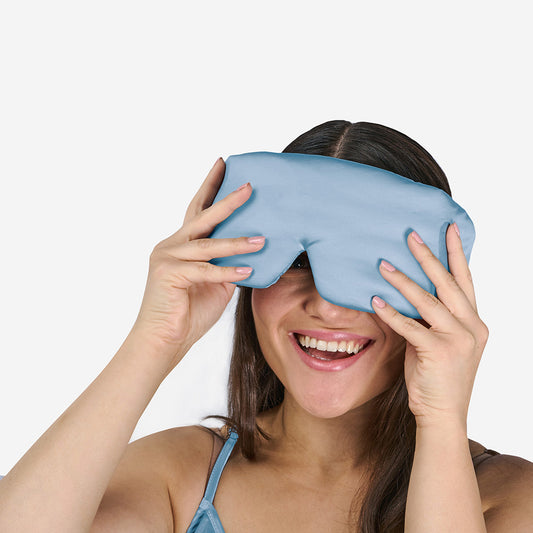
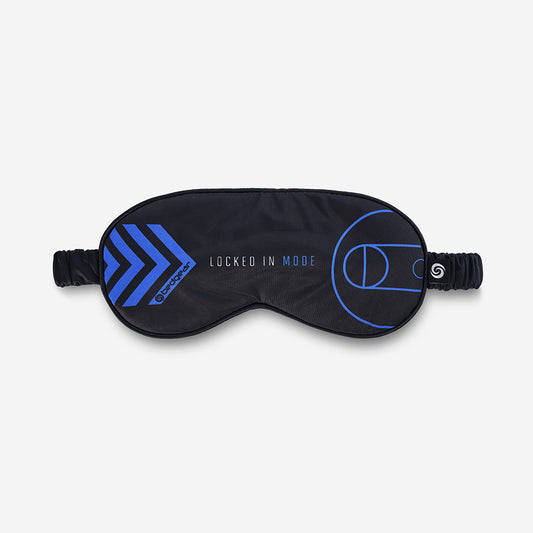
Fit matters more than most people realize, and this is especially true for a sleep mask. A mask that clamps down puts pressure right where you are trying to reduce swelling, which defeats the point. Our Hyper-Silk Sleep Mask is lightweight and smooth against the skin, so it blocks light without digging in.
If you share a bed with someone on a different schedule, a mask is also the easiest peace treaty available. No negotiating over the reading lamp, so no need to worry there.
The Pillow Underneath It All
A pillowcase can only perform as well as the pillow inside it. If your pillow has flattened out or never fit your sleep position in the first place, you will shift and adjust all night looking for a comfortable angle. Every one of those shifts is a small interruption to your sleep.
You want two things from the pillow itself. Enough support to keep your head slightly elevated and your neck neutral, and enough airflow that heat does not build up against your face.

Our Beauty Performance® Pillow was designed around this exact use case. It delivers conforming support that keeps your head and neck in line, with a breathable construction that moves heat and moisture away instead of trapping it.
Fewer wake-ups is the goal; how you look in the morning follows from that.
Build the Full Beauty Sleep Setup
Pillowcase, sleep mask, and pillow work better together than any one of them does alone. Our Beauty collection brings the whole system into one place.
A Simple Beauty Sleep Nighttime Routine That Helps
None of this requires an hour-long ritual. The habits below take a few minutes total and they compound over weeks rather than working overnight.
- Set a consistent lights-out time: Your body handles a regular schedule far better than a variable one.
- Ease up on salt and alcohol late in the evening: Both make your body hold onto more fluid overnight.
- Hydrate earlier in the day: Front-load your water so you are not drinking a large glass right before bed.
- Apply skincare a few minutes before you lie down: Give it time to absorb instead of transferring to the pillow.
- Get the room genuinely dark: Curtains if you can, a sleep mask if you cannot.
- Sleep with your head slightly elevated: The right pillow loft does this without stacking a second pillow.
- Wash your pillowcase weekly: Oil and product buildup is not doing your skin any favors.
Pick two or three to start rather than trying all seven at once. The ones you actually stick with are the ones that matter.
Our nighttime routine guide has more on making a routine stick.
When to Talk to a Professional About Bags Under Your Eyes
Sleep habits and bedding help with the fluid and friction side of this bedtime story, sure. But they will not do much for pigment, structural changes, or anything medical.
It is worth checking in with a dermatologist or your doctor if swelling appears suddenly, affects only one eye, comes with pain or redness, or does not improve at all across a few weeks of better sleep. Persistent dark circles that have not budged since childhood are usually genetic, and a professional can tell you what is realistic.
Seasonal allergies are worth ruling out too. They are one of the most common causes of stubborn under-eye puffiness and one of the easiest to treat once identified.
How to Prevent Bags and Dark Circles Under Your Eyes, Starting Tonight
Learning how to prevent bags and dark circles under your eyes comes down to controlling what you can control. You cannot change your tear troughs or your genetics. However, you can change how flat you sleep, how dark your room is, and what your face rests on for eight hours.
Start with the sleep environment because that is where the leverage is. A smoother pillowcase to cut friction, a sleep mask for real darkness, and a pillow that keeps your head supported and cool enough to stay put. Those three cover most of what bedding can do for the skin around your eyes.
Then, make sure you're patient and give it a few weeks. Under-eye changes are slow and cumulative, so consistency beats intensity every time.
Frequently Asked Questions About Bags and Dark Circles Under Your Eyes
Still have questions about puffiness, dark circles, and what sleep can actually do about them? Here are the ones we get most.
Do Eye Bags Go Away With Sleep?
Why Do I Have Eye Bags If I Get Enough Sleep?
Can You Get Eye Bags From Sleeping Too Much?
Do Silk Pillowcases Help With Dark Circles Under the Eyes?
Does a Sleep Mask Help With Puffy Eyes?
How Long Until I See a Difference?
Better Nights Show Up on Your Face
Silk pillowcases, sleep masks, and pillows engineered for how your skin spends the night.
You May Also Like
-

 Regular price $69.99Sale price $69.99 Regular priceUnit price per
 -

 Regular price $40.00Sale price $40.00 Regular priceUnit price per
$40.00


