

Percale vs. Sateen Sheets: Which Cotton Weave Is Right for You?
Percale and sateen are both cotton weaves, but they feel totally different. Percale is crisp, cool, and matte; sateen is silky, smooth, and a little warmer.
You're shopping for cotton sheets, and two words keep popping up: percale and sateen, but what on earth do they mean? Sure, they sound similar, and they're often made from the same cotton fibers. Yet... once you sleep on them, you'll notice the difference right away.
So, when it comes to percale vs. sateen side-by-side, what's the difference? Well, in this article we cover how each one is woven, how it feels, how it handles heat, and how it holds up over time. Read on and you'll know exactly which weave belongs on your bed.
Percale vs. Sateen: The Short Answer
The big difference is the weave. Percale crosses threads in a simple one-over, one-under pattern, which makes it crisp, matte, and breathable; some high-airflow bedding. Sateen, in comparison, floats threads over several others before tucking them under; this creates a silky sheen and a warmer, drapier feel on your mattress.
Now, neither one is "better" across the board. At the end of the night, percale is the go-to for hot sleepers and fans of a nice and cool, crisp bed. Sateen, in contrast, is a great fit if you want a smooth, luxurious feel and tend to sleep on the cool side.
What Is Percale?
Moving on, it helps to understand what percale and sateen are. Starting with percale, it is a tight plain weave where every thread goes over one and under the next. The best part is that all those crossover points create a sturdy fabric with a matte finish. For this reason, it feels a lot like a fresh, crisp cotton shirt.
Moreover, percale is also known for its breathability. The balanced weave lets air move through instead of trapping it, so you end up with high-airflow cotton sheets. This is just a quick summary of percale, and for the full story, check out our guide on what percale is and why it makes great sheets.
What Is Sateen?
Next, you have your sateen fabrics. And of course, sateen is a weave, too. Instead of one-over, one-under, sateen floats each thread over three or four others before going under one. Those long floats sit on the surface of the fabric, so more of each thread faces your skin.
More thread facing your skin is what gives sateen its signature cozy and comfy feel. What's more, sateen's silky, smooth, and has a soft sheen that catches the light. Last but not lest, sateen also drapes beautifully, so it hugs the bed instead of sitting crisp and structured.
Is Sateen the Same as Satin?
Not quite, though they're close cousins, and we see where this confusion comes from. Now, both use the same floating-thread weave structure. However, the difference is the fiber; satin is usually made from silk or polyester filaments, while sateen is typically made from cotton. Overall, it's for this reason that sateen has a softer glow instead of satin's high-gloss shine.
Is Sateen Cotton?
Usually, yes, sateen is made from the cotton plant. That being said, when you see "cotton sateen," that means cotton fibers woven in a sateen pattern. Just like percale, though, the weave and the fiber are two different things. Some sateen sheets blend in polyester or other fibers, so always check the label.
Percale vs. Sateen at a Glance
Want the quick version? We cover how the two weaves compare in the chart below. Use it to spot which column sounds more like your ideal night.
| Feature | Percale | Sateen |
|---|---|---|
| Weave | One over, one under | Three or four over, one under |
| Feel | Crisp, light, and cool | Silky, smooth, and drapey |
| Finish | Matte | Soft sheen |
| Breathability | High | Moderate |
| Warmth | Lighter; reduces heat buildup | Holds a bit more warmth |
| Wrinkles | More prone | Less prone |
| Durability | Very durable; resists pilling | Durable, but can snag or pill |
| Over Time | Gets softer with every wash | Sheen can soften with washing |
| Best For | Hot sleepers and crisp-bed lovers | Cool sleepers and silky-sheet fans |
Do you notice a pattern forming? As you can see, percale wins on airflow and toughness, while sateen wins on softness out of the box and drape. We do a deep dive into the details below.
Sateen vs. Percale Feel and Finish: Crisp vs. Silky
This is where most people make their decision, so it feels right for us to start with it. Percale feels crisp and cool the moment you slide in. It has a light, matte hand that doesn't cling, kind of like a freshly pressed button-down.

Sateen, on the other hand, feels smoother and silkier right off the bat. What's more, those floating threads create a buttery surface with a gentle sheen on it. Sateen also drapes over your body, which feels cozy and a bit more luxurious than your average cotton sheets.
Here's the twist, though: Percale gets softer with each wash, so the gap shrinks over time. In fact, many percale fans say their sheets feel better after a few months than they did on night one, so they're the cotton sheet gift that keep on giving. And at the end of the night, that's a bedtime story we can root for.
Which Is Better for Hot Sleepers: Percale or Sateen?
If you run warm, a problem for millions of sleepers out there, percale is usually the stronger pick. Percale's open one-over, one-under weave lets air move through the fabric. This airflow is what helps reduce heat buildup, and the matte surface feels cool to the touch.
Plus, cotton also absorbs moisture well, so cotton percale stays comfortable when nights get warm; this applies to most cotton materials.
Are Sateen Sheets Hot?
Now, if percale is cold, you might be worried that sateen turns your bed into a furnace. Luckily, sateen isn't a "hot" fabric, but it does tend to hold more warmth than percale. Its denser weave leaves less room for air to pass through.
That being said, the silky drape also rests closer to your skin, and that makes sateen a great match for cool sleepers and chilly months; hot sleepers may find it a bit too cozy.
Durability, Wrinkles, and Care
Percale is the tougher of the two, for sure. All those tight crossover points we keep talking about create a strong and stable fabric. There are no long floating threads to catch on rings, zippers, or pet claws, so you can rest easy and wake ready.
Sateen is durable too, but its floats make it more likely to snag or pill over time. On the flip side, sateen resists wrinkles better than its percale counterpart. In fact, percale's crisp structure creases more easily, though plenty of people love that relaxed, lived-in look.
Care is simple for both fabrics. If you wash warm with a mild detergent, skip the bleach, and tumble dry low. Then, make sure you pull sheets from the dryer ASAP to keep wrinkles down. Want the full care story? Our guide on how to wash cotton sheets covers the full wash and dry routine for cotton sheets.
Percale vs. Sateen: Which Should You Choose?
At the end of the night, the best weave is the one that fits how you sleep. So, think about your temperature, the feel you love, and how much upkeep you want. That being said, percale is probably your match if you:
- Sleep hot or live somewhere warm.
- Love a crisp, cool, hotel-style bed.
- Want sheets that get softer with every wash.
- Have pets or kids and need sheets that can take some wear.
Sateen, on the other hand, may be a better fit if you sleep cool, love a silky feel, or want a bed that looks smooth with less effort. If that sounds like you, our bamboo sheets are worth a look, even more than sateen. Our bamboo sheets have a soft sheen and silky drape, plus plenty of breathability.

Curious how bamboo stacks up? Our guide to the benefits of bamboo sheets walks through it; this way, you can make an informed decision.
Do Hotels Use Percale or Sateen?
Hotels have a whimsical way of making you feel comfy, so it's a fair question. The answer is often both, but percale is the classic hotel choice. Percale's crisp feel, durability, and ability to handle frequent washing make it a natural fit.
Still, some luxury hotels go with sateen for its silky look, so if you're chasing that crisp, tucked-in hotel bed feeling, percale is the one to try.
Why We Chose Percale for Our Cotton Performance® Sheets
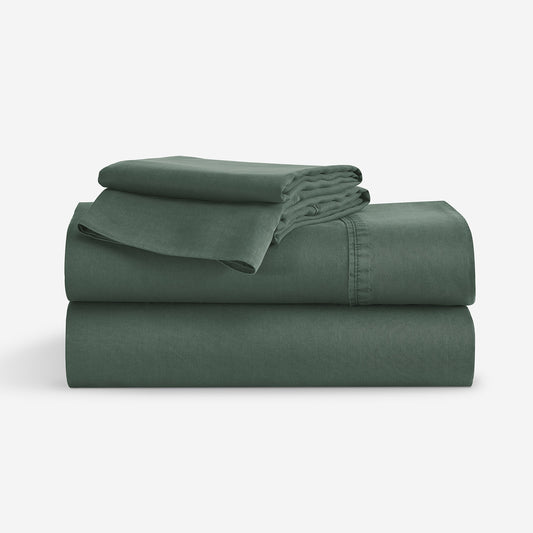
When we built our Cotton Performance® Sheet Set, airflow came first, and this is true for many BEDGEAR sleep products. That's why we went with an open percale weave in 100% cotton. The result is refreshingly crisp and classically cool, night after night.

Every set includes our Powerband® fitted sheet, with enhanced banded elastic that grips your mattress so the sheet stays put, even if you toss, turn, or flail around.
Team Percale? Same Here.
Crisp, cool, 100% cotton percale with the fit and airflow you expect from us. Find your color and size.
Percale vs. Sateen: BEDGEAR's Verdict
So, percale vs. sateen; which one wins? Well, it depends on you. Percale is crisp, cool, breathable, and tough, while sateen is silky, smooth, and a little warmer. At the end of the night, it comes down to how you sleep, and this is something that's personally fit to you. At BEDGEAR, we focus on high-airflow percale for our cotton sheets, and hot sleepers tend to finally stop flipping their pillows. That's our two cents.
Hot sleepers and crisp-bed lovers will feel right at home on crisp, breathable percale. Cool sleepers who crave a silky drape may prefer sateen. Either way, focus on fiber quality and weave over thread count hype; our thread count myths guide explains why.
Percale vs. Sateen FAQs
Have more questions about percale and sateen? We provide answers to a handful of common questions below. This way, you leave here with everything you need to make an informed decision.
Which is softer, percale or sateen?
Sateen feels softer and silkier right out of the package, thanks to its smooth, floating threads. Percale starts out crisp, then softens with every wash. Many people find well-loved percale just as comfortable; it's simply a different kind of soft.
Which lasts longer, percale or sateen?
Percale usually holds up better over time. Its tight one-over, one-under weave has no long floating threads to snag or pill. Sateen can last for years too, but it needs a little more care to keep its smooth finish.
Is sateen better for cold sleepers?
Often, yes. Sateen's denser weave tends to hold more warmth, and its silky drape feels cozy against your skin. If you're always reaching for an extra blanket, sateen may feel more comfortable on cool nights.
Does percale or sateen wrinkle more?
Percale wrinkles more because of its crisp, structured weave. Sateen drapes and resists creases a bit better. Pulling either one out of the dryer right away and making the bed promptly keeps wrinkles to a minimum.
What's a good thread count for sateen sheets?
Quality sateen usually falls somewhere between 300 and 600. Its weave packs threads differently than percale, so it often runs a little higher. Like percale, fiber quality matters far more than chasing the biggest number.
You May Also Like
-
 NEW ARRIVALRegular price $149.99Sale price $149.99 Regular priceUnit price per
-

 NEW ARRIVALRegular price $329.99Sale price $329.99 Regular priceUnit price per


