Do you ever wake up in the middle of the night drenched in sweat, uncomfortable, and unable to get back to sleep? If you do, then you know how frustrating and annoying it can be. But don’t sweat it. We’ve compiled simple, effective ways to combat night sweats so you can get a better night’s sleep.
Night sweats can have various causes. They may be connected to hormonal changes, medication side effects, stress, room temperature, heavy bedding, or an underlying medical condition. Once you figure out the root cause, you can take the appropriate steps to address it and reduce your night sweats. In the meantime, here are the sleep setup moves that can help you cool things down now.

How to Combat Night Sweats: Start With the Sleep System
Having the right cooling sleep system is paramount. Your mattress, mattress protector, pillow, sheets, and blanket all influence how hot or dry you feel through the night. A single “cooling” item can help, but a full system works harder because every layer is either moving heat away from you or trapping it against you. Fun little bedtime gamble. Not our favorite.
Many people assume cotton is the answer because cotton absorbs moisture. The catch is that absorbing sweat is not the same as staying dry. Think about a cotton T-shirt during a workout. It may feel fine at first, but once it absorbs sweat, it can become damp, heavy, and clingy. Performance bedding is built more like athletic wear: it helps manage moisture while supporting airflow, so heat and sweat have somewhere to go.
| Layer | What Can Go Wrong | What to Look For |
|---|---|---|
| Mattress | Dense materials can hold body heat and limit airflow. | Breathable construction, cooling surfaces, and airflow channels. |
| Protector | Non-breathable barriers can turn the bed into a heat lid. | Breathable waterproof protection that does not block airflow. |
| Sheets | Heavy fabrics can absorb sweat and stay damp. | Lightweight, moisture-wicking, performance fabrics. |
| Pillow | Heat can build around your head and neck. | Ventilated materials, breathable mesh, and cooling fabric. |
| Blanket | Too much insulation traps heat all night. | Lightweight layers you can adjust without overheating. |
Start With a Cooling Mattress That Lets Heat Escape
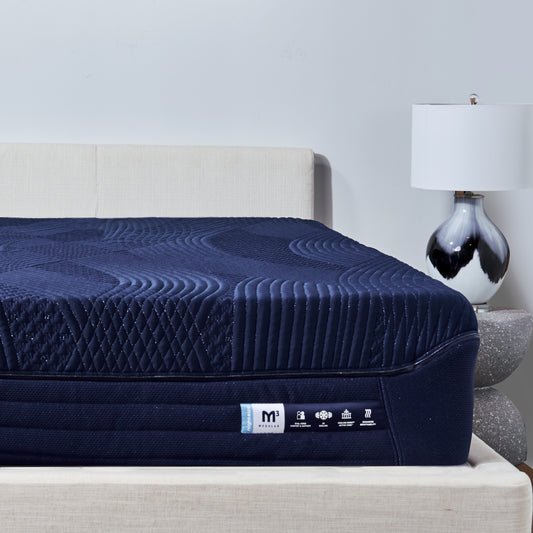
Your mattress is the biggest layer in the sleep system, so it has the biggest say in whether heat gets trapped or released. Dense, closed-off materials can hold body heat close to you, especially if you already run hot or wake up sweaty. A breathable mattress with airflow channels, cooling surfaces, or ventilated construction gives heat somewhere to go instead of letting it build under your body all night.
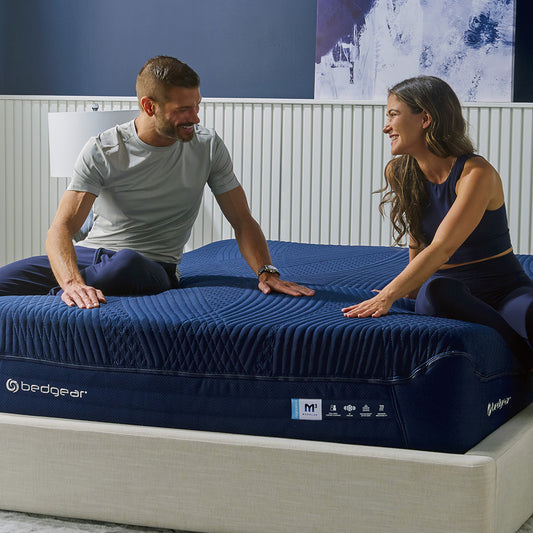
For hot sleepers, this is the foundation move. You can put great sheets on a heat-trapping mattress and still end up uncomfortable. BEDGEAR cooling mattresses are built around airflow and temperature regulation so your sleep surface works with your body’s natural cool-down process, not against it.
Use a Breathable Mattress Protector, Not a Plastic Heat Lid
A mattress protector is non-negotiable if you deal with sweat, spills, or moisture. The mistake is choosing one that protects the mattress by suffocating the bed. Non-breathable waterproof barriers can trap heat and moisture between your body and the mattress, which is basically a sauna with a fitted sheet. Not the vibe.
Look for a breathable waterproof mattress protector that helps guard the mattress without shutting down airflow. That balance matters because the protector sits directly under your sheets. If it blocks ventilation, every layer above it feels warmer.
Choose Moisture-Wicking Sheets Over Heavy, Damp Fabric
Sheets are the layer touching your skin, so they need to manage sweat quickly. Cotton can feel familiar, but it absorbs moisture and may stay damp once sweating starts. That dampness is what makes you wake up sticky, chilly, overheated, or somehow all three at once. Great mystery. Terrible sleep.
Performance sheets are designed to help move moisture away from the body while staying lighter and more breathable. For night sweats, that makes a real difference because the goal is not just softness. The goal is staying cooler, drier, and less annoyed at 2 a.m.
Cool the Area Around Your Head and Neck
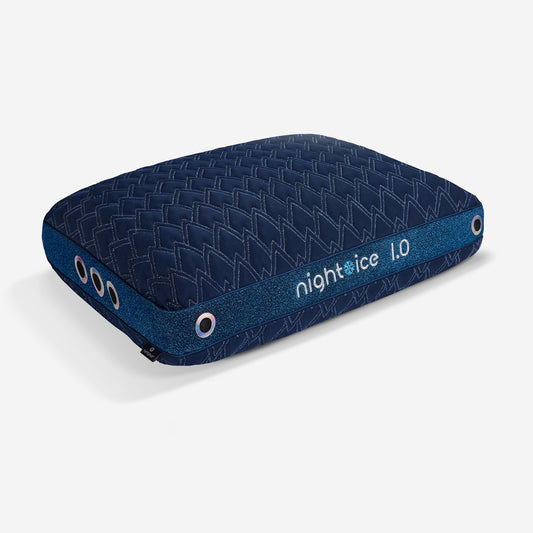
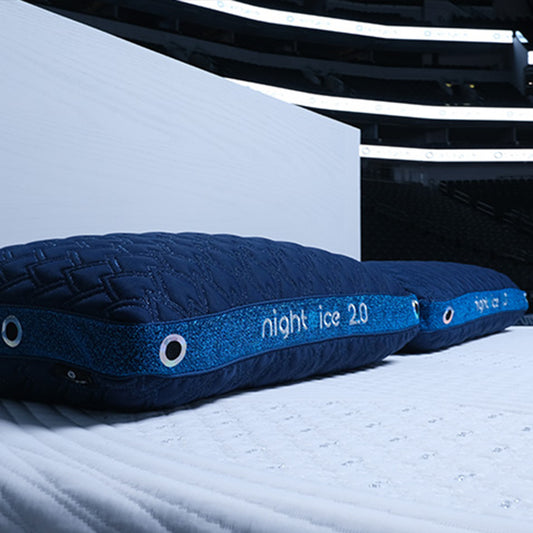
Your head and neck can hold a lot of heat, and a dense pillow can make that worse. If your pillow traps warmth or moisture, you may keep flipping it all night looking for the cold side. That is not a sleep strategy. That is a cry for better airflow.
A cooling pillow with ventilated materials, breathable mesh, or cooling fabric can help reduce heat buildup around your head and neck. It also supports alignment, which matters because overheating is bad enough without adding neck strain to the party.
Layer Light So You Can Adjust Without Overheating
Blankets are where hot sleepers often overdo it. A heavy blanket can feel cozy when you first get into bed, then turn into a heat trap once your body warms up. Instead of one overly insulated layer, use lighter bedding that lets you adjust through the night.
The right blanket should help you feel covered without sealing in heat. Think breathable, flexible, and easy to kick back when your temperature changes. Your bedding should adapt with you, not force you into an all-night wrestling match.
Night Sweats vs Sleeping Hot: Know the Difference
Sleeping hot usually means your room, bedding, mattress, or sleepwear is trapping too much heat. Night sweats are more intense: you may wake up damp or soaked even when the room is not especially warm. The difference matters because frequent night sweats can be a body signal, not just a bedding problem.
That does not mean your sleep environment gets a free pass. Even when night sweats have another trigger, a cooler, more breathable bed can reduce discomfort and make it easier to fall back asleep. The goal is not to turn your room into an icebox. The goal is to stop your sleep setup from working against your body’s natural cooling process.
Hormonal Changes
Menopause, pregnancy, and other hormonal shifts can affect temperature regulation.
Medication Side Effects
Some medications may affect sweating or body temperature at night.
Stress
An activated nervous system can make it harder for your body to settle and cool down.
Hot Bedding
Heavy layers, dense foam, and non-breathable barriers can trap heat close to your body.
Cooling Bedding for Night Sweats: Cotton vs Performance Bedding
Cotton has its place, but it is not automatically the winner for night sweats. Cotton absorbs moisture. Performance bedding is designed to manage moisture. That is a big difference when your goal is to stay cool and dry instead of waking up wrapped in a damp burrito. Delicious as a food. Terrible as a sleep strategy.
Performance sheets, protectors, and pillows are designed to help move moisture away from the body while allowing air to circulate. For hot sleepers, that combination matters: airflow helps heat escape, and moisture management helps prevent that sticky, damp feeling that makes it hard to fall back asleep.
| Feature | Cotton Bedding | Performance Bedding |
|---|---|---|
| Moisture | Absorbs sweat and can stay damp. | Designed to wick moisture away from the body. |
| Airflow | Depends on weave and weight. | Built to breathe and support ventilation. |
| Feel During Sweating | Can become heavy or clingy. | Helps maintain a drier, lighter sleep surface. |
| Best For | Sleepers who prefer a natural, absorbent fabric. | Hot sleepers, sweaty sleepers, and active households. |
Simple Ways to Cool Your Sleep Environment
There are simple changes you can make right away. Start by making sure your sleep environment is cool and well-ventilated. When available, use a fan or air conditioning to keep your bedroom comfortable. Even small airflow changes can make the room feel less stale and help prevent heat from building around your bed.
Hydration also matters. Drinking enough water throughout the day may help reduce the intensity of overheating for some people. Try to avoid overdoing caffeinated or alcoholic beverages close to bedtime, because they can dehydrate you, disrupt sleep, or raise body temperature. Your body is already trying to run the night shift. No need to hand it extra paperwork.
Keep the Bedroom Cool and Ventilated
A cooler room gives your body a better chance to drop into sleep and stay there. Use a fan, crack a door, adjust the thermostat, or choose lighter bedding layers. The key is airflow. Still, trapped air can make the sleep surface feel warmer even when the room temperature looks reasonable.
Drink Water Earlier in the Day
Hydration supports your body’s temperature regulation, but timing matters. Drink water consistently during the day instead of chugging right before bed. You are trying to reduce night sweats, not schedule a 3 a.m. hallway sprint.
Build a Cool-Down Bedtime Ritual
Stress can trigger sweating and make it harder to fall asleep. A short calming routine can help your mind and body shift into rest mode. A cool shower, deep breathing, gentle stretching, yoga, meditation, or a calming herbal tea may help you unwind before bed.
Build a BEDGEAR Cooling Sleep System
Small changes can help in the short term, but your sleep system is the long-term play. A breathable mattress, cooling protector, moisture-wicking sheets, ventilated pillow, and lightweight blanket all work together to reduce the heat and moisture buildup that makes night sweats feel worse.
BEDGEAR designs sleep products around airflow, moisture management, and temperature regulation, because hot sleepers do not need another fluffy promise. They need bedding that performs when the room gets real.
Build your bed like a performance system: breathable mattress support, cooling protection, moisture-wicking sheets, and a pillow that helps move heat away from your head and neck.
Hot Sleeper? Stop Building a Bed That Traps Heat.
Your mattress, protector, sheets, pillow, and blanket should work together. When one layer blocks airflow, the whole setup can feel hotter than it should.
When Night Sweats Need More Than Bedding
Cooling bedding can make your sleep environment more comfortable, but it is not a medical fix. If night sweats are frequent, intense, new, or paired with other symptoms like fever, unexplained weight changes, or major fatigue, check in with a healthcare professional. Same goes if you suspect a medication may be involved.
The practical move is to handle both sides: talk to a professional when the symptoms point beyond your bedroom, and remove heat-trapping layers from your sleep setup so your bed is not making a rough night worse.
Final Thoughts on How to Combat Night Sweats
Overall, small changes to your routine can help in the short term. A cooler room, better hydration, less late-night alcohol or caffeine, and a calmer bedtime ritual can all support better sleep. But if your bed is trapping heat, those changes are working uphill.
An investment in your sleep system, meaning your mattress, mattress protector, sheets, pillows, and blankets, is an investment in long-term sleep quality. Build the bed for the sleeper you actually are. If that sleeper runs hot, the answer is not more layers. It is smarter layers.
Frequently Asked Questions About Night Sweats
Still waking up hot? These are the questions hot sleepers ask most.