It's 5:12 on a Sunday morning, and someone small is standing next to your bed. They're wide awake, fully dressed, and asking about pancakes. Last night you set the clocks back and went to bed dreaming of an extra hour. Somehow, that hour went to everyone except you.
If that scene sounds familiar, you're in good company. Every November, millions of households discover that "falling back" isn't the free nap it promises to be. The reason comes down to a clock you can't reset with a button. Here's what's really happening, and how to help everyone under your roof adjust.
The Extra Hour Isn't Really Free
You'd think gaining an hour would be painless. The research tells a more interesting story. A study of more than 30,000 adults ages 45 to 85, published in Neurology, found the fall shift to standard time was linked to a short rise in trouble falling asleep and staying asleep. The spring change didn't show the same pattern in that group (American Academy of Neurology (opens in a new tab)).
Wearable data lines up with that. In fact, wearable companies reported that more than 76,000 members spent about 2% more time awake in bed the week after last fall's switch. They also logged a higher resting heart rate and less total sleep (Axios (opens in a new tab)). Even the president of the American Academy of Sleep Medicine noted that gaining time still throws off our internal clocks.
Your body doesn't run on the clock on your wall. It runs on light.
That internal clock is your circadian rhythm. It takes its cues mostly from daylight, so a sudden one-hour jump leaves it running on the old schedule for a few days. Here's what that looks like on a typical night.
Your Body Clock vs. the Wall Clock After Falling Back
After the clocks fall back, your body runs about an hour ahead of the new schedule. That's why you fade early and pop awake before your alarm.
Why Kids Feel It First
Adults can push through a sleepy evening with a second cup of coffee. Little kids can't. According to the American Academy of Pediatrics, the fall change can make younger kids crash before bedtime and wake up earlier than usual (HealthyChildren.org (opens in a new tab)). Teens, who naturally run on a later schedule, often have an easier time with it.
That's why the 5 AM pancake request is so common this week. Your child's body clock hasn't heard the news yet. The good part is that kids respond well to small, steady changes, and the same habits that help them help you too.
Five Ways to Help Your Household Adjust
You don't need a total routine overhaul. These five habits help everyone's body clock catch up to the wall clock with fewer cranky mornings along the way.
01 Let the Bedtime Routine Do the Work
When the clock changes, your routine becomes the signal your body trusts. A bath, pajamas, a book, and lights out tell everyone it's time to sleep, no matter what the clock says. Keep those steps in the same order every night of the week after the change. Kids especially take comfort in knowing what comes next.
Start the routine at the same time on the new clock, even if little ones look sleepy early. If they truly can't make it, start 15 to 30 minutes sooner and nudge it later over a few nights. The routine stays the same; only the start time moves.
02 Chase the Morning Light
Light is your body clock's main reset button. After the change, mornings get brighter and evenings go dark fast. Getting outside early tells everyone's brain that the day has started on the new schedule. Then, as the night goes on, dimmer light helps bodies get ready for sleep.
Morning: Reset the Clock
- Get outside within an hour of waking
- Open the blinds right away
- Walk to school or the bus stop if you can
Evening: Protect the Wind-Down
- Keep lights bright through dinner
- Dim lamps about an hour before bed
- Power down screens as bedtime nears
Even ten minutes of daylight counts. On cloudy November mornings, outdoor light is still far brighter than most indoor lighting.
03 Hold Wake Times Steady
Early risers often find themselves wide awake an hour too soon. It's tempting to just start the day at 5 AM. Try to resist; staying close to your normal wake time helps everyone's rhythm settle faster. For little ones, a toddler clock that lights up at wake time can buy you some extra peace.
If you do wake early yourself, keep the lights low and stay relaxed. Scrolling your phone in bed tends to make it harder to drift back off.

A cool, breathable bed makes those first few nights on the new schedule a lot easier.
04 Keep Bedrooms Cool and Dark
Sleep experts point to a dark, cool bedroom as one of the easiest ways to ease the time change. Your core temperature naturally drops as you drift off. A stuffy room or heat-trapping bedding works against that process and can lead to more wake-ups. Kids run warm too, so their rooms deserve the same attention.
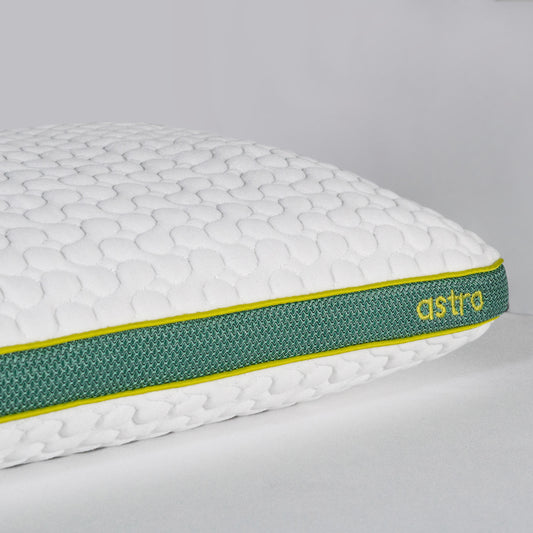
Breathable bedding built for airflow helps reduce heat buildup through the night. Our Dri-Tec® moisture-wicking fabric moves heat and moisture away from the body. And as heavier fall blankets come out, a breathable blanket keeps everyone cozy without the overheating.
Better Sleep for Every Bed in the House
Airflow is engineered into every layer of our sleep systems, from grown-up beds to kids' rooms. It's all designed to reduce heat buildup and support the body's natural temperature regulation, even when the clocks change.
05 Beat the Early Evening Slump
When it's dark by 5 PM, the couch starts calling. A late afternoon nap feels great in the moment, but it can push bedtime later and keep the cycle going. Instead, try a family walk after school, some stretching, or a quick game to keep energy up. Save caffeine for the morning so it doesn't follow you into bedtime.
Fall Back Into the End of Daylight Saving Time With Ease
The end of daylight saving time doesn't have to mean a week of early wake-ups and cranky evenings. Small schedule shifts, morning light, and cool, breathable bedrooms go a long way for the whole family. Give everyone a few days, and body clocks will catch up to the wall clock. Then maybe, just maybe, you'll finally get that extra hour.
Want to be ready for spring too? Check out our guide on how to spring forward without losing sleep.
Frequently Asked Questions
Does falling back affect your sleep?
Yes. Even though you gain an hour on the clock, your internal body clock is still shifted. A large study published in Neurology linked the fall change to a brief rise in trouble falling asleep and staying asleep, and wearable data shows people spend more time awake in bed the week after the switch.
How does the end of daylight saving time affect kids?
According to the American Academy of Pediatrics, the fall change can make younger kids crash before bedtime and wake up earlier than usual. Teens often have an easier time with it. Keeping bedtime routines consistent through the change helps the whole family adjust.
How long does it take to adjust to the end of daylight saving time?
Most people settle in within a few days to a week. In the Neurology study, sleep disruptions after the fall change were brief and no longer showed up two weeks after the shift. Consistent wake times and morning light help speed things up.
Why do I wake up so early after the time change?
Your body clock is still running on daylight saving time. So when your alarm says 5 AM, your body thinks it is 6 AM and ready to start the day. Holding a consistent wake time and getting light in the morning helps your rhythm catch up.