

What Is a Plush Mattress? Firmness, Feel, and Fit
A plush mattress has a soft surface feel that lets your body settle into the comfort layers, while the support core underneath keeps your spine aligned.
Plush describes firmness only; it says nothing about quality, materials, or construction. That distinction clears up most of the confusion around whether plush mattresses are "good" or "bad" for you.
This guide covers what plush actually means, how it compares to firm and medium feels, who it suits, and how to keep a plush mattress feeling right for years. So, what is a plush mattress? Read on to find out.
What Is a Plush Mattress?
A plush mattress is one with a soft surface feel; when you lie down, your body settles into the comfort layers rather than resting on top of them. Shoppers meet the word on law tags and product pages, usually without any explanation of what it commits the mattress to.
The good news is that the answer is simpler than the industry makes it seem. Plush tells you how the surface feels and nothing else. It doesn't tell you what the mattress is made of, how it's built, or how well it will hold up.
Typically, a plush mattress can sit on coils, foam, or a hybrid of both; it can be excellent or terrible, durable or short-lived, depending entirely on what's inside.
What "Plush" Actually Means for a Mattress
In mattress language, plush is a firmness rating, one notch on a scale that runs from ultra plush to extra firm. It signals generous surface give: pronounced cushioning at the shoulders and hips, and a gentle cradling sensation as the comfort layers compress around you.
What it should never mean is a lack of support; in a well-built plush mattress, the core underneath works just as hard as it would in a firm one. Now, at BEDGEAR we understand this well, so you don't have to worry about ending up with a huge divot in your bed just because you like it soft.
Does Plush Mean Soft?
Yes, plush is essentially the industry's word for soft, and the two are used interchangeably on most product pages. The useful nuance is that plush refers to the surface feel specifically.
Softness is what your shoulders and hips experience in the first inch or two of the mattress; support is what your spine experiences from everything below that. Keeping those two ideas separate makes every other plush question easier to answer.
What Does Plush Mean on a Mattress?
The Mattress Firmness Spectrum
Plush makes the most sense when you can see where it sits relative to everything else. Mattress firmness runs on a spectrum, and while brands label the steps differently, the progression is consistent across the industry. Knowing the neighbors on either side of plush helps you shop with precision instead of guesswork.
From Ultra Plush to Extra Firm
The full range typically runs: ultra plush, plush, medium plush, medium, medium firm, firm, and extra firm. Ultra plush is a specialty feel with deep, pronounced sink; it suits a narrow slice of lighter-bodied side sleepers and overwhelms most others. Standard plush is the practical soft option for most people who want cushioning, which is why it's far more common on showroom floors. From medium onward, each step trades surface give for pushback until extra firm keeps you fully on top of the mattress.
Where Medium Plush Fits
Medium plush is the bridge feel: noticeably soft at the surface, with more pushback underneath than a true plush. It's a popular compromise for couples where one partner wants cushion and the other wants stability, and for combination sleepers who spend part of the night on their side and part on their back. If you're torn between plush and medium, medium plush is usually the safest place to start.
What Is a Medium Plush Mattress?
What Is an Ultra Plush Mattress?
Plush vs. Firm Mattress: What's the Difference?
This is the comparison most shoppers are actually weighing, and it's less of a rivalry than the internet suggests. Plush and firm are two ends of the same dial, and each one solves a different problem. The table below lays out how they differ where it matters.
| Factor | Plush | Firm |
|---|---|---|
| Surface Feel | Soft; you settle into the comfort layers | Solid; you stay on top of the surface |
| Pressure Relief | Excellent at shoulders and hips | Lower; pressure points stay elevated |
| Best Positions | Side sleeping; some back sleepers | Stomach sleeping; many back sleepers |
| Body Type Fit | Lighter to average builds | Average to heavier builds |
| Movement | More cradle; slightly harder to change positions | Easier repositioning and edge use |
The pattern in the table is worth naming: plush wins on pressure relief, firm wins on repositioning and staying level.
Neither column says anything about support quality, and that's the point. Firmness is a preference; support is a requirement, and it comes from the build. Now, if you want to learn more about mattress firmness, you can always read our comprehensive mattress firmness guide.
Plush Softness Is Not the Opposite of Support
The most persistent myth in mattress shopping is that firm equals supportive and soft equals unsupportive. In reality, support comes from the core of the mattress; the coils or dense base foam that keep your spine level, and firmness comes from the comfort layers above it.
A plush hybrid with a robust coil system can support you better than a firm mattress with a weak core. Judge softness with your shoulders and support with your spine; they're separate tests.
Is a Plush or Firm Mattress Better?
Who Sleeps Best on a Plush Mattress?
Plush has a clear target audience, and if you're in it, few feels compare. The fit comes down to two variables: how you sleep and how much of you there is pressing into the mattress. Here's how each one shakes out.
Plushness By Sleep Position
Side sleepers are the headline audience for a plush mattress. Sleeping on your side concentrates weight at the shoulder and hip, and a plush surface lets those points sink in just enough to keep the spine straight; on a too-firm surface, they stay propped up and the spine bows between them.
Back sleepers, however, can go either way depending on preference, though many find plush comfortable when the core underneath is supportive.
Finally, stomach sleepers are the mismatch; too much sink at the hips arches the lower back, so a medium or firmer feel usually serves them better.
Plushness By Body Type
Body weight changes how deep you travel into the comfort layers, which means the same mattress feels different to different people. Lighter sleepers barely engage a firm mattress and often need plush just to get normal pressure relief.
Heavier sleepers, on the other hand, compress plush layers further and can sink past the comfort and into misalignment; a medium plush or medium feel over a sturdy coil core usually keeps them in the comfortable zone.
All that being said, average builds have the widest menu and can choose on pure preference.
Is a Plush Mattress Good for Side Sleepers?
Plush Mattresses and Back Pain
Search any plush mattress question and back pain worries dominate the results. The concern is understandable but usually aimed at the wrong target.
Whether a plush mattress helps or hurts your back has less to do with the softness and more to do with what's holding you up underneath it.
When a Plush Feel May Help
For side sleepers with pressure-point discomfort, a plush surface may help by letting the shoulder and hip settle while the spine stays level. Lighter sleepers on overly firm mattresses sometimes wake with stiffness simply because nothing gave; added surface softness can make sleeping positions feel more comfortable and natural for them.
The common thread is that the plush layer is doing its actual job: relieving pressure while a supportive core maintains alignment.
When Firmer Support Makes More Sense
If you sink past the comfort layers and your hips hang lower than your shoulders, the surface is too soft for your body, and your lower back pays for it. Stomach sleepers and heavier builds run into this most often, and a medium or firmer feel tends to keep their alignment more consistent. An aging mattress with a worn core can also masquerade as "too plush" when the real problem is failed support.
And if back pain persists regardless of surface, a healthcare provider is the right resource; a mattress can support your back, but it can't diagnose it.
Are Plush Mattresses Bad for Your Back?
How Long Do Plush Mattresses Last?
Durability is the other big plush worry, and it's the fairest one. The comfort layers in a plush mattress compress more deeply every night than the layers in a firm design, so they genuinely do work harder. Whether that shortens the mattress's life depends on what those layers are made of and how they're built in.
Do Plush Mattresses Sag or Soften Over Time?
Every mattress softens somewhat as it breaks in, and plush designs show it earlier because the comfort layers see more compression. A modest break-in over the first few months is normal and usually welcome.
What's not normal, though, is pronounced sagging or body impressions that don't recover when you get up; those signal low-density fill or loose material that has shifted. Rotating the mattress every three to six months and keeping it on an even, supportive foundation spreads the wear and slows the softening.
Construction Determines Durability
The difference between a plush mattress that lasts and one that craters is in the build. Dense, resilient comfort materials hold their shape far longer than loose, low-density fill, and integrated comfort layers resist the shifting that plagues sewn-on designs.
Our plush pillowtop hybrid mattress, for example, builds its React™ Blend Pillowtop directly into the mattress over a coil core, so the soft layer stays connected to the support beneath it. A mattress protector completes the picture by shielding those hardworking comfort layers from moisture and wear.
Do Plush Mattresses Wear Out Faster Than Firm Ones?
Can You Adjust How Plush Your Mattress Feels?
Firmness isn't entirely locked in on the day you buy, and that's one of the best parts of shopping with BEDGEAR. If your mattress lands close to right but not quite, a few adjustments can nudge the feel in either direction.
Just know the limits: surface fixes change surface feel, and nothing placed on top of a mattress can repair failed support underneath.
Making a Firm Mattress Feel Plusher
A mattress topper is the direct route; a couple of inches of soft, responsive material adds the settle-in feel a firm surface lacks. Softer, higher-loft bedding contributes a little as well, and a firm mattress also relaxes slightly on its own through the first months of break-in.
If you're renting or working with a newer mattress that's simply too firm for your side sleeping, a plush topper is a far cheaper experiment than a new bed.
Making a Plush Mattress Feel Firmer
Start below the mattress rather than above it. A solid platform or properly spaced slats firm up the whole system, while worn slats or a tired box spring add give you never asked for.
A firm topper can add pushback at the surface, and rotating the mattress moves you off any softened zones. If none of that helps, the core may be worn out, and that's a replacement conversation rather than an adjustment one.
How Do You Make a Plush Mattress Firmer?
Want Plush Comfort That Keeps Its Support?
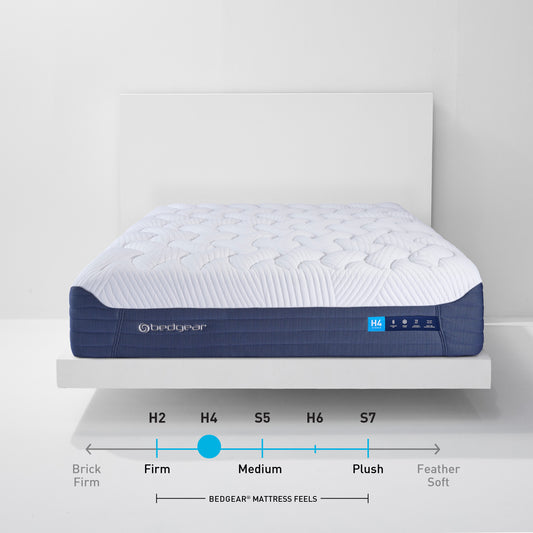
Our Performance® Mattress lineup includes a plush pillow top hybrid with an integrated React™ Blend Pillowtop, Ver-Tex™ cooling fabric, and coil support that holds up underneath the softness.
Choosing the Best Plush Mattress for You
A plush mattress comes down to one honest question: do you want to settle into your bed or sleep on top of it? If you're a side sleeper, a lighter build, or simply someone who loves a soft landing, plush is a legitimate answer, not a compromise.
The key is refusing to trade support for softness; a plush mattress worth buying pairs its soft surface with a core that holds your spine level all night.
Shop with your hands and your spine, not the label. Test how your shoulders and hips feel at the surface, then check that your midsection isn't sinking out of line. Find a plush mattress that passes both tests, protect it, rotate it, and give it a proper foundation; it will pay you back every morning.
More Plush Mattress Questions?
Still curious? Here are the other questions we hear most about plush mattresses.
Do Hotels Use Plush or Firm Mattresses?
Is a Plush Mattress Softer Than a Medium?
What Is a Plush Pillow Top Mattress?
Do Plush Mattresses Get Softer Over Time?
Is a Plush Mattress Soft?
Soft Where You Land. Solid Where It Counts.
Plush comfort with real support underneath. Explore our Performance® Mattress lineup and find your feel.
You May Also Like
-

 Regular price $1,599.00Sale price $1,599.00 Regular priceUnit price per
$1,799.00Sale -
 Regular price $3,999.99Sale price $3,999.99 Regular priceUnit price per
$4,499.99Sale

