

Sleep Compatibility Is Real: Why Couples Need Personalized Sleep
Most couples expect to share warmth, comfort, and connection at night. Yet for many, bedtime is where comfort ends and compromise begins. One partner runs hot while the other stays cool. One prefers firm support while the other wants plush softness. These mismatches can lead to restless nights and worn-down days.
Poor shared sleep doesn’t just affect how rested you feel. It affects health, focus, mood, and how you relate to one another. The good news is that couples don’t have to accept disturbed nights as normal. What they need is personalized sleep rather than a one-size-fits-all mattress.
BEDGEAR has reimagined how couples sleep together, focusing on personalization, airflow, and modular design so both partners get what they need without giving up closeness.
What Sleep Compatibility Really Means for Couples
Sleep compatibility refers to how well two people’s sleep needs work together. That includes sleep position as well as support and temperature preferences, along with how easily each person stays asleep through the night.
According to insights from the Sleep Foundation, many couples report that their partner’s movement, sleep habits, or comfort preferences affect how well they sleep. In fact, sharing a bed often means one person’s restlessness, discomfort, or wakeups can influence the other, even if neither fully realizes it.
That’s because sleep is rarely a solo experience when you share a bed. One person shifting, waking, or overheating can pull the other out of deeper rest, especially when the mattress isn’t designed to support two different sleepers.
Quality sleep for couples depends on how well the sleep system supports both individuals. When each sleeper’s needs are accounted for, sleep becomes more consistent, less interrupted, and more restorative for everyone in the bed.
Why Traditional Mattresses Don’t Fit Couples Well
Most mattresses offer a single firmness and feel. That may work if you sleep alone, but it typically forces couples into compromise.
Different Bodies and Support Needs
People vary in body shape, size, and preferred sleep position. Side sleepers, back sleepers, and people with different weights require different support levels for proper spinal alignment. When one firmness is supposed to fit all, someone usually loses support or comfort.
Partner Movement and Sleep Disruption
When you share a bed, you don’t just share space. You share movement.
A late-night shift. A roll-over. Someone getting up earlier than the other. Even small movements can ripple across the mattress and interrupt sleep, especially when the surface isn’t designed to absorb or isolate that motion.
Over time, those disruptions add up. You may not fully wake every time, but your sleep becomes lighter and less consistent. That means less recovery, even if you’re technically in bed for eight hours.
For couples, movement matters because sleep is connected. One person’s restlessness often affects the other. A mattress that minimizes motion transfer helps both partners stay settled, even when one moves more than the other.
Personalized support plays a role here too. When each sleeper has the right firmness and support, there’s less shifting in the first place. Fewer adjustments. Fewer interruptions. Better sleep for both.
Temperature Differences Matter
Most couples don’t share the same temperature preference.
One partner naturally sleeps warmer. The other prefers more airflow. What starts as a small difference can turn into nightly frustration when heat builds up and has nowhere to go.
When bedding traps warmth and moisture, the body has to work harder to stay comfortable. That effort often shows up as tossing, turning, or waking during the night. You’re still sleeping, but not deeply.
Temperature preference isn’t about hitting a specific number. It’s about creating an environment that supports how your body naturally cools itself while you sleep.
That’s why breathability matters so much for couples. Two bodies generate more heat. Without airflow built into the mattress, one person’s temperature preference can easily disrupt the other’s rest.
BEDGEAR designs sleep systems to support different temperature preferences through airflow-first materials and construction. The result is a sleep surface that feels lighter, more breathable, and easier to stay comfortable on all night long.
How Personalized Sleep Solves These Problems
Personalized sleep means addressing the individual needs of both partners while letting them stay in the same bed. For couples, this matters because it reduces compromise without reducing comfort or intimacy.

Modular Mattresses Built for Two
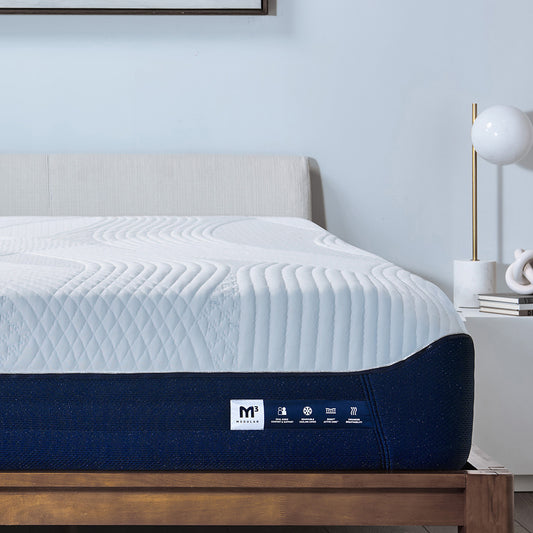
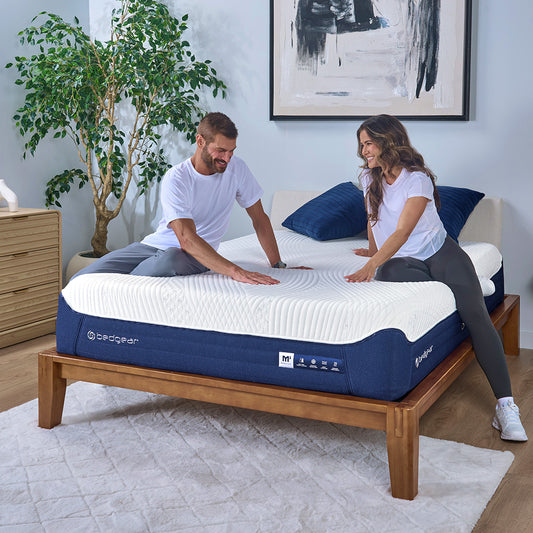
BEDGEAR’s Modular Hybrid Performance® Mattresses allow each sleeper to choose the firmness that fits their body type and sleep position on their side of the bed. Each side can have its own support system, so partners don’t have to share the same firmness anymore.
This design lets each person:
- Get the right support for their sleep position
- Reduce movement transfer
- Sleep without losing closeness
According to ScienceDirect, research on couple relationships suggests that better shared sleep supports overall relationship quality. While more long-term studies are needed, evidence points to a positive link between relationship functioning and sleep health.
The Role of Airflow and Breathability
When couples talk about sleep discomfort, heat almost always comes up. One person feels warm. The other starts tossing. Covers get kicked off. Sleep gets lighter.
That’s because your body naturally gives off heat and moisture all night long. If your mattress and bedding trap that warmth, your body has to work harder to cool itself down. That extra effort often shows up as restlessness or frequent wakeups.
Airflow changes that.
When air can move through your mattress, heat and moisture have somewhere to go. Instead of building up beneath you, they move away from the body. That helps your body stay comfortable without interruption.
For couples, airflow matters even more. Two bodies generate more heat than one. Without breathability built into the mattress, one partner’s warmth can affect the other’s sleep.
That’s why BEDGEAR designs mattresses with airflow through every layer. Not just at the surface. From top to core, materials are chosen to let air circulate so both sleepers stay comfortable through the night.
Better airflow doesn’t force your body to do anything different. It simply gives your body the space it needs to do what it already knows how to do.
Why Temperature Preference Still Matters for Sleep Quality
You don’t need data to know when your temperature preference isn’t being met.
You wake up unexpectedly. You shift positions. You pull the covers off, then back on again.
Those interruptions usually aren’t random. They’re signals that your body is having trouble staying comfortable because the sleep environment isn’t aligned with how you naturally sleep.
Everyone has a temperature preference. Some sleepers naturally give off more heat. Others feel best when warmth is consistent. When two people share a bed, those preferences don’t always match.
Sleep works best when your body can settle into a steady rhythm through the night. When your temperature preference isn’t supported, sleep tends to become lighter and more fragmented. You may still get hours in bed, but the quality of rest drops.
BEDGEAR approaches this by designing sleep systems that prioritize airflow and personal fit. The goal isn’t to force a specific sleep temperature. It’s to give each sleeper an environment that supports their individual temperature preference so the body can stay at ease and asleep longer.
When temperature preference is supported, sleep feels easier. Less effort. Fewer interruptions. Better recovery.
Why Couples Should Care About Personalized Sleep
When sleep quality declines for either partner, both people feel the impact in daily life. Chronic sleep disruption is linked to lower energy, reduced focus, and weakened emotional regulation.
Improving sleep for both partners can:
- Enhance recovery overnight
- Improve mood and cognitive function
- Reduce instances of waking during the night
Getting better sleep together reduces stress and makes shared mornings better.

BEDGEAR’s Approach to Better Shared Sleep
BEDGEAR believes sleep should be built around individual human needs, not arbitrary mattress industry standards.
Here’s how BEDGEAR supports better sleep for couples:
- Personalized comfort on each side of the mattress
- Airflow-first engineering through every layer
- Support that matches body type and sleep position
- A unified sleep surface that keeps partners together without compromising individual needs
This approach helps couples get better rest without giving up closeness or settling for discomfort.
Final Thought
Sleep is a shared experience that affects health, mood, relationships, and daily performance. Couples don’t need to sleep apart to sleep well. They need a sleep system that meets both partners’ needs in one bed. Personalized design and airflow-focused bedding are essential parts of that solution.
Personalized sleep isn’t just about comfort. It’s about better recovery, better mornings, and better lives together.
FAQs
What is sleep compatibility for couples?
Why do couples sleep poorly in the same bed?
Can a mattress really affect relationship sleep quality?
What is the best mattress type for couples with different sleep needs?
How do modular mattresses work for couples?
Why does temperature preference matter for couples?
How does airflow help couples sleep better?
Can personalized sleep reduce tossing and turning?
Do couples need separate mattresses to sleep better?
How does BEDGEAR support personalized sleep for couples?
You May Also Like
-
 Regular price $2,999.99Sale price $2,999.99 Regular priceUnit price per
 -
 Regular price $3,499.99Sale price $3,499.99 Regular priceUnit price per


