We put a lot of effort into the things we can see: what we eat, how often we work out, how many steps we log. Sleep tends to get whatever's left over. That's a problem; not just for how you feel tomorrow, but for how long you actually live.
The research on sleep and longevity has gotten a lot sharper in recent years. It's not just that poor sleep makes you tired. Consistently short or fragmented sleep accelerates biological aging, raises your risk of heart disease, and shortens your telomeres, the protective caps on your DNA that determine how fast your cells age. The good news is that sleep is one of the most modifiable factors in the longevity equation. You can actually do something about it.
What the Research Actually Says About Sleep and Lifespan
The data here is striking. A study from Oregon Health & Science University, published in the journal SLEEP Advances, analyzed nationwide life expectancy data alongside CDC survey results from 2019 to 2025. When researchers ranked lifestyle factors by how strongly they tracked with lifespan, sleep duration came out on top. Not diet. Not physical activity. Not social isolation... just plain old boring sleep.
The lead researcher, a sleep physiologist who already understood the health benefits of adequate sleep, said the strength of the association was still surprising. That kind of finding from a scientist who works in the field every day is worth paying attention to, and this is in-line with what we heard from Dr. Helen Messier.
- Men who consistently get adequate sleep live approximately five years longer than those who don't; for women, the gap is about two years (Mayo Clinic, 172,321-adult study)
- Sleeping fewer than six hours per night is associated with a 12% greater risk of all-cause mortality compared to sleeping six to nine hours (meta-analysis of 16 prospective cohort studies, 1.3 million participants)
- Stanford research analyzing 5.8 million nights of sleep data found that seven to eight hours per night was linked to lower resting heart rates, which correlate directly with greater longevity
- OHSU researchers found that insufficient sleep was a stronger predictor of shortened lifespan than diet, physical activity, or loneliness
The sweet spot across the research is consistent: seven to eight hours per night. Fewer than six hours and more than nine hours are both associated with elevated health risks, so there's a healthy balance that you should be going for here. It's not just about getting more sleep; it's about getting the right amount, regularly.
What Happens Inside Your Body While You Sleep
Understanding why sleep affects longevity starts with understanding what sleep actually does. It's not a passive state. While you're asleep, your body is running some of its most important maintenance processes.
Cellular Repair and the Glymphatic System
During deep sleep, stem cells activate to repair tissues and regenerate new ones. Growth hormone, which drives cellular recovery and muscle repair, is released almost entirely during slow-wave sleep. Cut that sleep stage short and you cut the recovery window that comes with it, and you can kiss some of those gains goodbye.
What's more, the brain has its own waste-clearance system called the glymphatic system, and it's most active during sleep. It clears out metabolic byproducts and neurotoxic waste, including the proteins associated with Alzheimer's disease. This isn't a minor housekeeping function; it's one of the primary reasons the brain needs sleep at all. Skipping adequate sleep night after night means that waste accumulates rather than getting cleared.
Sleep and Your Telomeres
Telomeres are the protective caps at the ends of your chromosomes. Every time a cell divides, telomeres shorten slightly. When they get too short, the cell can no longer divide properly; that's cellular aging in its most direct form. Research published by NIH-affiliated scientists found that insomnia is associated with shortened telomere length, older epigenetic age, and a pro-inflammatory signal. Treating insomnia in older adults actually slowed the biological pace of aging on measurable markers.
The connection runs deeper than just duration, though. In fact, a 2019 study of 672 men and women found that severe sleep apnea was linked to telomeres indicating, on average, a 10-year acceleration of cellular aging compared to people without sleep apnea. Poor sleep quality and fragmented sleep are doing real, measurable damage at the cellular level; not just making you feel groggy.
The Processes That Run While You Rest
Here's a quick look at what your body is actually doing during quality sleep:
- Growth Hormone Release: Peaks during slow-wave sleep; drives tissue repair and cellular regeneration.
- Glymphatic Clearance: Flushes neurotoxic waste from the brain, including amyloid proteins linked to cognitive decline.
- Immune system reinforcement: Cytokine production ramps up, strengthening the body's defenses against infection and chronic disease.
- Telomere maintenance: DNA repair processes run during rest; consistently short sleep accelerates telomere shortening.
- Hormone regulation: Cortisol, leptin, ghrelin, and insulin sensitivity all depend on adequate sleep to stay in balance.
- Cardiovascular Recovery: Heart rate and blood pressure drop during sleep, giving the cardiovascular system time to recover.
Shorten or fragment sleep regularly and you're reducing the time your body can dedicate to all of the above. The compounding effect of that deficit is what shows up in the longevity data.
Sleep, Inflammation, and Chronic Disease
Chronic inflammation is one of the primary drivers of age-related disease. It's implicated in heart disease, type 2 diabetes, cancer, and neurodegenerative conditions. Sleep is one of the most direct levers you have to manage it.
A 2025 NHANES study analyzing data from more than 46,000 adults found that poor sleep patterns were associated with elevated inflammatory markers, which in turn mediated cardiovascular disease risk. The relationship wasn't subtle; it tracked consistently across age groups and demographic categories. Disrupted sleep raises inflammatory markers like C-reactive protein and interleukin-6, both of which are well-established predictors of cardiovascular events.
The Disease Risk Cascade
When sleep is consistently short or poor quality, the downstream effects compound quickly. Hormones that regulate hunger and appetite get disrupted. In fact, Mayo Clinic research found that participants sleeping just four hours a night consumed 350 more calories the following day, with the excess stored as visceral fat rather than subcutaneous fat. Visceral fat is the inflammation-producing kind.
Blood pressure is another direct casualty, and one that's worth keeping an eye on. Mayo Clinic research found that sleep deprivation caused blood pressure to rise both during the day and during the night; even when sleep-deprived subjects later got adequate sleep, blood pressure recovery was slower than expected. The cumulative cardiovascular load from years of poor sleep is significant.
The chronic disease risks most consistently linked to poor sleep include:
- Cardiovascular disease and elevated blood pressure (Better sleep will help).
- Type 2 diabetes and insulin resistance.
- Obesity and metabolic dysfunction.
- Increased cancer risk through immune suppression.
- Cognitive decline and elevated Alzheimer's risk.
- Depression and mood dysregulation.
These aren't isolated risks. They interact. Poor sleep raises inflammation, inflammation raises disease risk, and disease compounds the difficulty of sleeping well. Breaking that cycle starts with treating sleep as a priority, not an afterthought.
Sleep Quality Matters as Much as Sleep Quantity
Seven hours in bed isn't the same as seven hours of quality sleep. If that time is fragmented by temperature disruption, partner movement, or a sleep surface that doesn't support the body properly, the restorative stages of sleep get cut short. Deep sleep and REM sleep are where most of the cellular repair, hormone regulation, and memory consolidation actually happen. You can spend enough time in bed and still miss most of the benefit.
This is where the sleep environment becomes directly relevant to the longevity conversation. Heat, noise, and physical discomfort are all proven disruptors of sleep architecture. A sleep surface that traps heat, transmits partner movement, or creates pressure points is actively reducing sleep quality night after night; and those nights add up.
What Disrupts Sleep Architecture
These are the most common sleep quality disruptors that cut into deep and REM sleep stages:
- Temperature Dysregulation: The body needs to drop its core temperature to enter and maintain deep sleep; a surface that traps heat fights that process directly.
- Partner movement: Motion transfer that wakes or partially wakes a sleeper reduces time in restorative stages.
- Pressure points: A surface that doesn't support the body's natural curves creates micro-arousals that fragment sleep without fully waking you.
- Inconsistent sleep schedule: Irregular sleep timing disrupts circadian rhythm, which governs when deep sleep stages occur.
- Late-night screen use: Delays melatonin release and reduces deep sleep time and DNA repair activity.
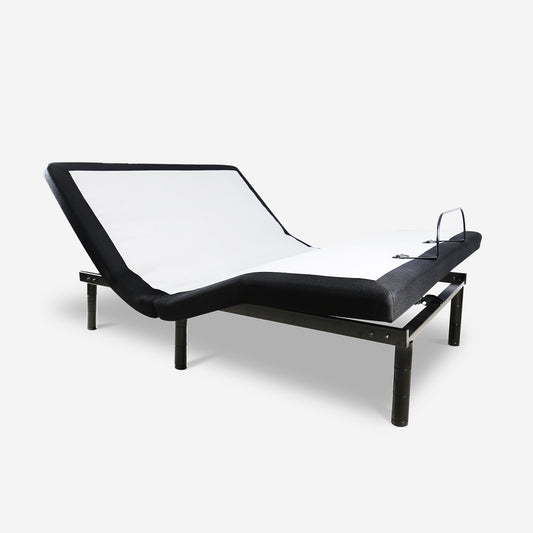
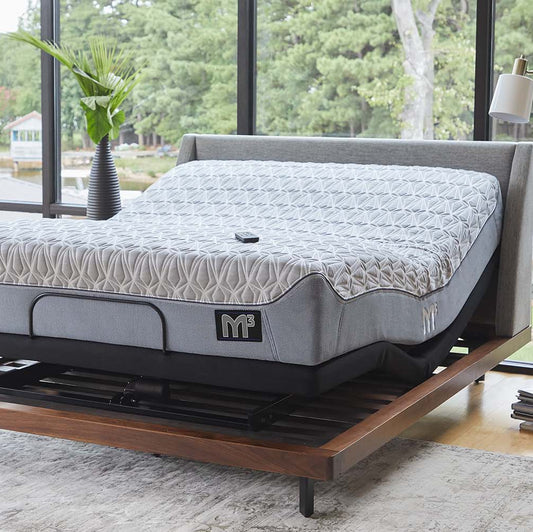
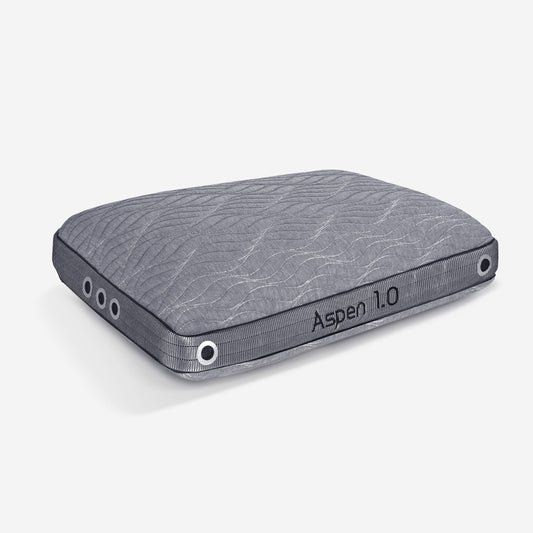
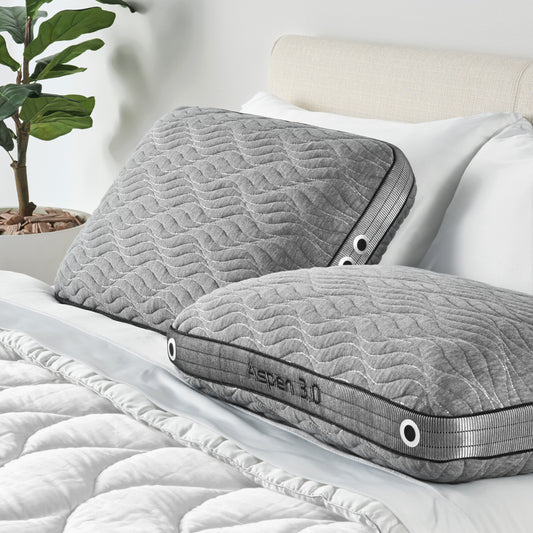
BEDGEAR's Performance® sleep systems are built around the variables that most directly affect sleep quality: airflow, temperature regulation, motion isolation, and proper spinal support. Getting hours right is the first step; getting the environment right is what allows those hours to actually deliver.
How to Actually Improve Your Sleep for the Long Haul
The research is clear. Applying it doesn't have to be complicated. These are the highest-impact changes, based on what the science actually supports:
Protect Your Window
Aim for seven to eight hours consistently. Inconsistent sleep timing disrupts circadian rhythm even when total hours look adequate.
Cool the Environment
Core body temperature needs to drop to enter deep sleep. A room between 65–68°F and a breathable sleep surface support that drop rather than fighting it.
Reduce Disruption
Motion isolation and proper support minimize the micro-arousals that fragment sleep architecture without fully waking you.
Wind Down Intentionally
Screens delay melatonin release and reduce deep sleep time. Thirty minutes of screen-free wind-down makes a measurable difference in sleep quality.
None of these require a complete lifestyle overhaul. They require treating sleep with the same intentionality you'd give a workout routine or a diet plan; because the research now puts sleep on the same level, and arguably above it, when it comes to longevity outcomes.
Built for the Sleep Your Body Actually Needs
BEDGEAR Performance® sleep systems are engineered around airflow, temperature regulation, and proper support; the variables that most directly affect sleep quality and, by extension, how well your body recovers every night.
Frequently Asked Questions About Sleep and Longevity
Still have questions about sleep and longevity? Here are the ones that come up most.
How Does Sleep Affect Longevity?
How Many Hours of Sleep Do You Need for a Long Life?
Does Sleep Quality Matter as Much as Sleep Quantity for Longevity?
What Happens to Your Body During Sleep That Supports a Longer Life?
Sources
- McHill, A. et al. (2026). Insufficient sleep and life expectancy across U.S. counties. SLEEP Advances. Oregon Health & Science University. sciencedaily.com (opens in a new tab)
- Somers, V. et al. Mayo Clinic. Sleep and longevity: How quality sleep impacts your lifespan. mcpress.mayoclinic.org (opens in a new tab)
- Stanford Sleep Medicine & Fullpower-AI. (2025). Sleep duration, resting heart rate, and longevity: analysis of 5.8 million nights. Sleep Review. sleepreviewmag.com (opens in a new tab)
- Irwin, M. et al. (2024). Sleep: A geroscience target. Insomnia, telomere length, epigenetic age, and cellular senescence. NIH/NCBI. ncbi.nlm.nih.gov (opens in a new tab)
- Breus, M. (2021). How sleep affects your telomeres. Psychology Today. psychologytoday.com (opens in a new tab)
- Guo, X. et al. (2025). Sleep patterns, inflammatory markers, and cardiovascular disease risk: NHANES analysis. NIH/NCBI. ncbi.nlm.nih.gov (opens in a new tab)
- Jike, M. et al. (2022). Meta-analysis: short sleep duration and all-cause mortality. InsideTracker / prospective cohort review. insidetracker.com (opens in a new tab)