Ever wake up in the middle of the night, sweaty and uncomfortable, kicking off the covers just to cool down? Or maybe you've found yourself tossing and turning through the night, trying to find the cool side of the bed? If so, your sheets might be the problem.
Most people don't realize that bedding plays a huge role in sleep quality. It's not just about how soft your sheets feel — it's about breathability, moisture control, and temperature regulation. Let's break down what actually matters when choosing the right sheets, bust some common myths, and help you sleep cooler and more comfortably every night.
What's the Best Fabric for Sheets?
You might think traditional cotton or linen is the gold standard for bedding, but here's the truth: traditional materials trap heat and moisture because they're not built for breathability. That means if you sleep hot, they're working against you, not with you — leaving you hot, restless, and waking up in a sweat. Over time, this is detrimental to your sleep quality.
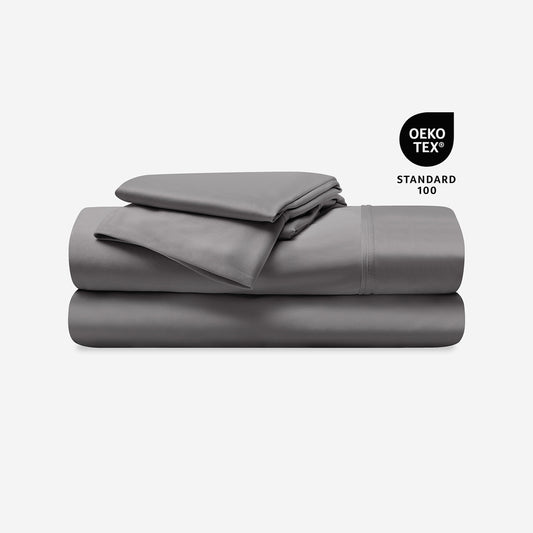
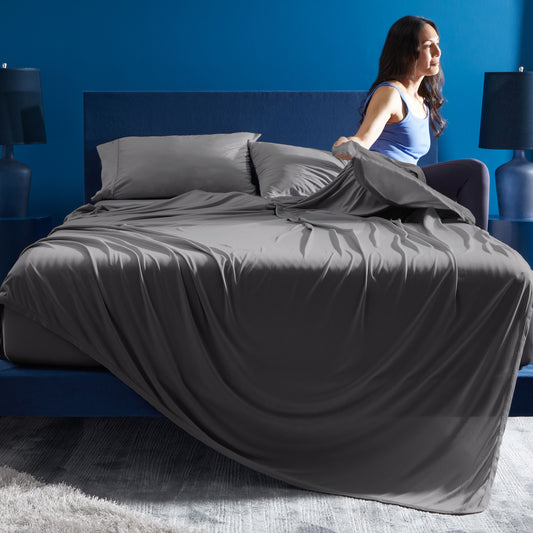
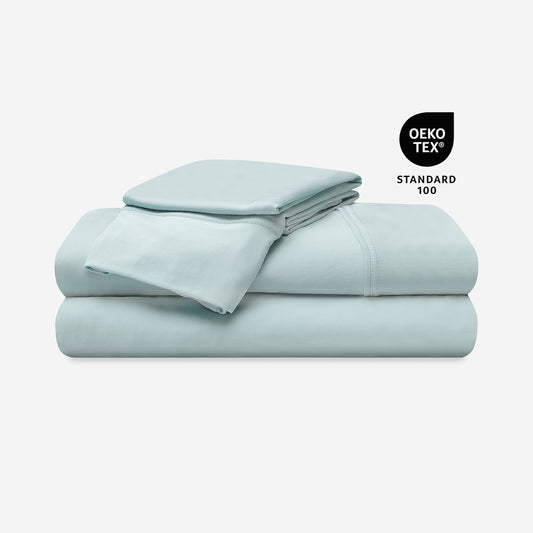
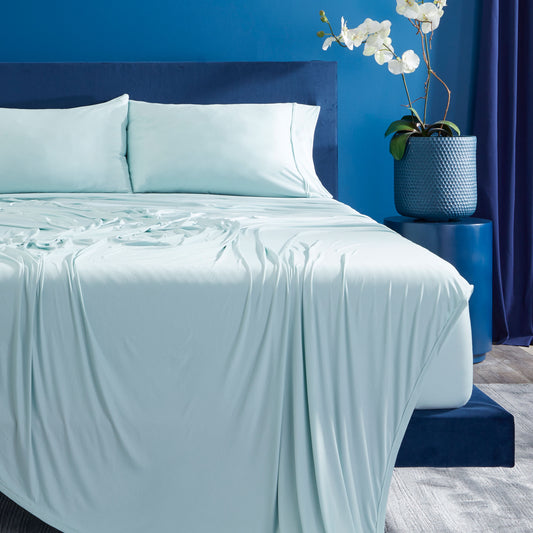
At BEDGEAR®, we took a different approach. Inspired by the moisture-wicking and breathable technologies found in modern athletic gear, our Performance® sheets are designed to keep air flowing, wick away sweat, and move with you — so your bedding doesn't feel stiff or restrictive.
Just like an athlete needs the right equipment to perform, your sleep setup should work with your body, not against it — and your sheets should work with your mattress and pillow to facilitate airflow for cooler, deeper, uninterrupted sleep. — BEDGEAR Performance® Sleep Philosophy
What Actually Matters When Buying Sheets?
When shopping for sheets, don't get caught up in thread count or luxury marketing. Instead, focus on these four key factors:
Airflow
Your sheets should let air circulate so heat escapes rather than building up around your body throughout the night.
Moisture-Wicking
The best sheets transport sweat away from your skin instead of absorbing it — keeping you dry, not damp.
Flex & Fit
Stretchy sheets move with your body and mattress — no bunching, pulling, or that restrictive stiffness that wakes you up.
Durability
Great sheets maintain their breathability and stretch wash after wash — without breaking down or trapping more heat over time.
Think of it like choosing running shoes: you wouldn't buy them just because they feel soft — you need support, breathability, and the right fit. Your sheets should work the same way.
With BEDGEAR Performance® sheets, you don't have to sacrifice comfort for durability — because they're engineered to maintain their breathability and stretch, wash after wash, without breaking down.

Do Different Fabrics Affect Sleep Quality?
Absolutely. The material you sleep on can make or break your sleep experience. Here's how the most common sheet fabrics actually stack up — not based on marketing, but on what matters to your body overnight.
| Fabric | Airflow | Moisture-Wicking | Stretch |
|---|---|---|---|
| Traditional Cotton | Poor | Absorbs | Minimal |
| Linen | Moderate | Absorbs | Stiff |
| Silk | Poor | Absorbs | Moderate |
| Bamboo | Moderate | Moderate | Moderate |
| BEDGEAR Performance® | Excellent | Active Wicking | 4-Way Stretch |
Traditional cotton and linen absorb moisture instead of wicking it. Silk and bamboo are often marketed as cooling but typically restrict airflow. BEDGEAR Performance® sheets are engineered specifically for breathability, active moisture transport, and unrestricted movement.
The Truth About Thread Count
You've probably heard that high thread count = better sheets. This is one of the most persistent myths in the bedding industry.
A higher thread count simply means a tighter weave — which actually reduces airflow. So while high-thread-count sheets might feel soft when you first unwrap them, they trap heat and moisture, essentially turning your bed into a sauna.
Instead of counting threads, focus on how a fabric manages heat and moisture. Performance-engineered sheets prioritize open construction and active wicking — not weave density.
Instead of focusing on thread count, look for breathable, moisture-wicking technology like the fabrics in BEDGEAR sheets. That's what actually impacts your sleep.
Common Myths About Bed Sheets — Debunked
- Myth "Higher thread count = better sheets." A higher thread count means a tighter, denser weave — which restricts airflow. Your bed gets hotter, not more comfortable.
- Truth What matters is fabric technology — breathability, stretch, and moisture-wicking capability — not the number of threads per square inch.
- Myth "Cotton sheets are the best option." Traditional cotton absorbs moisture rather than moving it away. If you sleep hot, cotton sheets hold onto sweat and heat, making your sleep environment warmer over the night.
- Truth The best sheets for hot sleepers actively wick moisture away and allow continuous airflow — properties not found in traditional cotton.
- Myth "Sheets don't impact sleep recovery." If your bedding doesn't regulate temperature or allow for free movement, it disrupts your sleep cycle — increasing wakeups and reducing time in deep, restorative sleep stages.
- Truth Your sheets are part of your sleep microclimate. Temperature regulation during sleep is directly linked to sleep depth and recovery quality.
Engineered for Recovery
At BEDGEAR, airflow is engineered into every layer of the sleep system — from the fabrics to the internal constructions to the way each component works together. Every element is built to reduce heat buildup and support the body's natural temperature regulation process. When your circadian rhythm is adjusting, temperature stability becomes a powerful recovery tool.
How to Wash Your Sheets (So They Last Longer)
You'll get the most out of your sheets and bedding by properly caring for them to maintain a fresh and clean sleep environment. Here's how to do it right:
Wash in Cold Water
Hot water breaks down high-tech moisture-wicking fibers over time. Cold water cleans effectively while preserving the fabric's performance properties and elasticity.
Use a Mild Detergent
Skip heavy fabric softeners — they coat and clog the moisture-wicking fibers, reducing breathability. A mild, fragrance-free detergent is all you need.
Tumble Dry on Low
High heat weakens elasticity and can damage performance fabrics. Low heat drying preserves stretch, breathability, and the sheet's overall lifespan.
High-Efficiency Washer Friendly
BEDGEAR® Performance® sheets are engineered for HE washers, requiring less water and energy to wash and dry — better sleep, lower environmental impact.
Unlike traditional cotton sheets that become stiff and trap heat over time, BEDGEAR® sheets maintain their breathability and stretch wash after wash — no performance degradation.
When Should You Replace Your Sheets?
If your sheets feel stiff, trap heat, or just don't feel breathable anymore, it's time for an upgrade. Here are the signs to watch for:
- They feel heavy and dense. This means the weave has tightened further with washing, reducing what little airflow they had to begin with.
- They cling to moisture instead of wicking it away. When sweat stays on your skin rather than moving through the fabric, your sleep environment becomes uncomfortable faster.
- You're waking up hot or sweaty consistently. If this is new behavior from sheets you've had for a while, the fabric's ability to regulate temperature has likely degraded.
- The material has become stiff or restrictive. Sheets should move with you, not constrain your natural sleep movements.
Most traditional sheets wear out in 2–3 years, but BEDGEAR Performance® Sheets are engineered for durability — maintaining their breathability and stretch so you get consistent cool, dry comfort, night after night.
Your Sheets Are Gear — Not Just Fabric
Think of your sheets the way an athlete thinks about their kit. You wouldn't wear the wrong equipment for a workout — fabric that traps heat, absorbs sweat, and restricts movement — so why sleep on the wrong sheets?
BEDGEAR Performance® Sheets are built for airflow, movement, and recovery — so you wake up feeling refreshed and ready to take on the day. The right sheets don't just feel good the first night you use them. They work with your body every night, supporting the temperature regulation and freedom of movement that deeper, more restorative sleep requires.