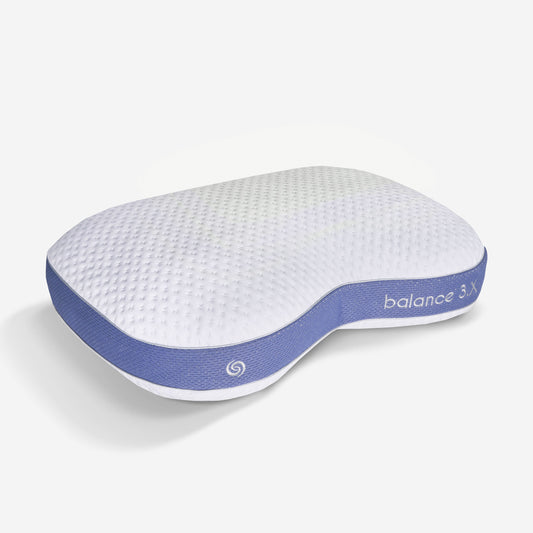
You spend a third of your life asleep—and yet most people give more thought to their Netflix queue than the pillow their head rests on every night. The right pillow isn't just about comfort; it's about keeping your spine properly aligned so you wake up feeling like yourself instead of spending the first hour of your morning working out the kinks. Whether you're a back sleeper, a side sleeper, or someone who rotates through every position before sunrise, the wrong pillow can mean the difference between waking up ready to go and waking up wrecked.
The good news is that finding the right fit doesn't have to be a guessing game. BEDGEAR's Pillow Fit Quiz takes the overwhelm out of pillow shopping by matching you to the right option based on your sleep position, preferences, and unique needs—so instead of grabbing whatever's on sale and hoping for the best, you get a recommendation built around you. Better sleep starts with the right foundation, and that foundation starts with your pillow.
Why Knowing How to Choose a Pillow Matters
If you've ever experienced the discomfort of waking up feeling crumpled and achy, then you understand the significance of a good pillow.
The best pillows provide support and alignment to keep your spine in a neutral position while you sleep, reducing the risk of waking up with aches and pains.
Did you know that pillows come in different shapes and sizes? Whether you're a side sleeper, back sleeper, stomach sleeper, or prefer to change positions while you sleep, it is important that you have the right size pillow to keep your spine aligned so you can wake ready for your day without aches and pains.
Take the Pillow ID Quiz
Fortunately, BEDGEAR makes it easy to find your perfect pillow. With BEDGEAR's Pillow Fit, you'll get your personalized pillow recommendations for your unique sleep needs and preferences.
Find your perfect pillow match by answering a few simple questions about your sleep habits, preferred sleep position, and unique needs. Take the guesswork out of pillow shopping and find a solution quickly and effortlessly.
The Pillow Fit Process
Using BEDGEAR's Pillow Fit is a breeze. You will be guided through a quick series of simple questions designed to gather essential information about your sleep preferences.
Receive Your Pillow Match Instantly
Receive your personalized pillow recommendation based on your specific needs. You can review the suggestions, compare features, and select the pillow that resonates with you the most.
Take the Pillow Fit Quiz Here.
The Ins and Outs of Different Sleep Positions
There's more to choosing a sleep position than comfort, and a lot of it comes down to your unique needs and prefere
nces. Here are some things to consider, and if you want to learn more, don't forget to read our comprehensive pillow guide.
Most People don't Sleep in Just One Position.
Research suggests the average person shifts positions 10 to 40 times per night. That's not a sign of poor sleep; it's the body redistributing pressure and maintaining circulation. What it does mean is that your pillow needs to perform across positions, not just one. A pillow that works beautifully when you're on your back but collapses when you roll to your side is only solving half the problem.
Your Sleep Position Affects More than Your Back.
Studies have linked sleep position to everything from acid reflux frequency to shoulder pain to sleep apnea severity. Side sleeping reduces apnea episodes by up to 50% compared to back sleeping in some patients. Stomach sleeping increases neck rotation and lumbar extension, which is why it's consistently associated with higher rates of morning stiffness. The position you default to isn't just a preference; it's a variable with real downstream effects on how you feel during the day.
Pillow Loft is the Most Underrated Variable.
Loft — the height of the pillow — changes everything depending on your sleep position and shoulder width. Side sleepers generally need higher loft to fill the gap between the shoulder and the head. On the other hand, back sleepers need medium loft that supports the neck's natural curve without pushing the chin toward the chest. Last but not least, stomach sleepers need the lowest loft available, or no pillow at all under the head. Getting the loft wrong by even an inch or two is enough to pull the cervical spine out of neutral alignment for the entire night.
You're a Back Sleeper? Tips for Choosing a Pillow
Back sleeping is one of the better positions for spinal health—but only if your pillow is doing its job. The best pillow for back sleepers provides medium to firm support to keep the head and neck aligned with the spine, and size matters just as much as firmness. Too flat and your neck dips; too thick and it cranes forward.
There are a few other things worth keeping in mind if you sleep on your back:
Breathability is Non-Negotiable for Back Sleepers
Back sleepers tend to trap more heat against their pillow, so look for breathable fabric and construction that won't have you flipping to the cool side all night. When the pillow traps heat, your core temperature stays elevated; and elevated core temperature means lighter, more fragmented sleep. BEDGEAR's Performance® pillows use breathable, moisture-wicking fabrics that work with your body's natural temperature drop rather than against it. The difference shows up in how rested you actually feel when the alarm goes off.
Elevation can Ease Acid Reflux.
Having your head slightly raised with the right pillow reduces the likelihood of nighttime reflux disrupting your sleep. The key is getting that elevation from the pillow itself rather than stacking two pillows on top of each other. Stacking creates an awkward angle that puts strain on the neck; a single pillow with the right loft for your frame keeps the head elevated and the neck aligned at the same time.
Snoring and Lower Back Strain are Both Addressable.
An adjustable mattress base can help with snoring at the push of a button, and placing a small pillow under the back of your knees takes pressure off your lower back by supporting its natural curve. Lower back strain during sleep is more common among back sleepers than most people realize. Without support under the knees, the legs lie flat and pull the lumbar spine out of its natural curve for the entire night. A small, firm pillow positioned behind the knees closes that gap and lets the muscles alongside the spine actually switch off.
Getting that balance right is what separates a good night from a stiff morning.
How to Choose a Pillow if You Prefer to Sleep on Your Side
Side sleeping is widely considered one of the healthiest positions you can be in—it reduces snoring and sleep apnea, eases acid reflux, and is especially beneficial during pregnancy. But the benefits only hold up when your body is properly supported.
A few things that make a difference for side sleepers:
Look for Pillows Designed Specifically for Side Sleeping.
BEDGEAR's Cuddle Curve Pillows are built to support the neck, shoulders, and hips in proper alignment. Standard pillows aren't shaped for the gap between your shoulder and your head; they're flat, which means your neck either cranes upward or sinks downward depending on how firm the fill is. A pillow engineered for side sleeping fills that gap correctly. The result is a neutral spine from the base of the skull all the way down through the shoulder, which is what actually prevents you from waking up with a stiff neck.
Side Sleepers Should Consider a Body Pillow.
Full-length body pillows provide comprehensive support, reduce pressure points, and promote healthier breathing patterns throughout the night. When you side sleep without support in front of you, your top arm and leg tend to drop forward, rotating the torso and pulling the lower spine out of alignment. A body pillow gives both limbs somewhere to rest; keeping the hips stacked, the shoulders open, and the whole spine in a straighter line. It's a simple addition that makes a real difference in how supported you feel by morning.
Add a Knee Pillow.
Placing one between your knees while side sleeping takes pressure off your hips and lower back by keeping your spine aligned from top to bottom. Without it, the top leg drops across the bottom leg and pulls the pelvis into a rotated position. That rotation travels up the spine and creates tension in the lower back and hips that compounds over the course of a full night. A firm knee pillow positioned between the knees (not the ankles) is enough to keep the pelvis level and the lower spine neutral.
Without the right pillow, side sleeping can put real strain on your shoulders and hips, leaving you worse off than when you went to bed.
How to Choose a Pillow If You Tend to Sleep on Your Stomach
Stomach sleeping is the trickiest position to support well—and most sleep experts will tell you it's the hardest on your body. This is due to the fact that your neck has to rotate to one side and your lower back tends to arch, it puts strain on areas that need rest, not stress. That said, it does have one upside: stomach sleeping can ease snoring and reduce sleep apnea symptoms, which is why some people find themselves defaulting to it.
If stomach sleeping is where you land, pillow choice becomes especially important:
Go Soft and Low.
A pillow with a soft feel and low loft prevents your head and neck from being pushed into an unnatural angle, which is the main source of morning neck pain for stomach sleepers. High loft forces the neck into extension for the entire night; and even a few degrees of unnatural angle sustained for seven or eight hours adds up to real strain. Soft fill that compresses under the weight of your head keeps things as flat as possible while still providing a layer between you and the mattress.
Less is Sometimes More for Stomach Sleepers
Some stomach sleepers find that sleeping without a pillow under their head—or with a very thin one—is actually more comfortable and less straining than a standard pillow. Where a pillow does pay off for stomach sleepers is under the pelvis, not the head. Placing a thin, firm pillow under your hips and lower abdomen slightly elevates the midsection and reduces the degree of lumbar extension that makes stomach sleeping hard on the lower back. It's a small adjustment with a noticeable effect on how your back feels in the morning.
While stomach sleeping may be tough to support, we don't believe that anything is impossible at BEDGEAR.
Not Sure Which Pillow Is Right for You?
BEDGEAR's Pillow Fit Quiz matches you to the right pillow based on your sleep position, preferences, and unique needs. No guesswork required.
How to Choose the Best Pillow for Your Body Today
A good pillow not only promotes proper spinal alignment but also helps alleviate aches, pains, and other discomforts associated with poor sleep posture.
That said, learning how to choose the best pillow can be overwhelming. BEDGEAR's Pillow ID Quiz offers personalized recommendations based on your sleep habits, preferences, and unique needs. Take the simple quiz and receive instant guidance on which pillow suits you best.
Investing in the perfect pillow will not only enhance your sleep quality but will also contribute to your overall well-being. Embrace a good night's sleep with the right pillow and Wake Ready without aches and pains.
Frequently Asked Questions About How to Choose a Pillow
Still have questions about finding the right pillow? Here are answers to some of the most common ones.