Kapok vs. Latex vs. Buckwheat: The Quick Answer
First things first (the short version). Kapok is a silky plant fiber that feels soft, light, and plush. Latex, on the other hand, is a foam made from rubber tree sap, and it feels springy and supportive. Finally, buckwheat is a pillow full of seed hulls that feels firm, heavy, and holds whatever shape you give it.
So, if you want soft and quiet, kapok is your go-to pick. However, if you want bounce that doesn't go flat, don't be shy and take a look at latex. And if you want a pillow that stays exactly where you put it, buckwheat is worth a try.
Think of it this way: kapok is the cloud, latex is the spring, and buckwheat is the beanbag.
Kapok, Latex, and Buckwheat: What You Need to Know
Before we put them head-to-head, let's get to know each fill. While kapok, buckwheat, and latex come from plants, they feel nothing alike. and serve different purposes. Learn more in detail below.
Kapok: The Silky Plant Fiber
Kapok comes from the seed pods of the kapok tree, these seeds are a little different from what you probably imagine (they're huge). The fibers are hollow and silky, so a kapok pillow feels light and fluffy without much weight. What's more, kapok is easy to scrunch and shape, though it does like a regular fluff to stay lofty and strong.
Do you want the full kapok story? If so, our guide to what kapok is and why it belongs in your pillow covers where it comes from and what makes it such a special sleep material.

Latex: The Bouncy Rubber Tree Foam
Next up we have latex. Natural latex starts as sap from the rubber tree, and a lot of that rubber used to come South America. That sap is whipped into a foam and baked, which gives you a springy material that pushes back as you sink in. It holds its shape well, so a latex pillow doesn't flatten out the way loose fills can.
Today, you'll mostly see two kinds. First, you have dunlop latex, which is dense and a little firm. Talalay latex, on the other hand, is lighter and airier. It's also important to note that latex also comes as a solid core or as shredded pieces; shredded latex feels softer and lets you move the fill around.
Buckwheat: The Firm, Pourable Hulls
Buckwheat pillows are filled with the outer hulls of buckwheat seeds. The hulls lock together under your head, so the pillow molds to you and then stays put; it's an innovative design. More often than not, most buckwheat pillows have a zipper, so you can pour hulls out or add more to change the height.
All that being said, buckwheat has a few quirks. Buckwheat is heavy, firm, and the hulls make a soft rustling sound when you shift at night.
Kapok vs. Latex vs. Buckwheat Side-by-Side
Now, for the showdown you've been waiting for. The chart below lines up all three fills across the things that matter most at night, from feel and weight to noise and care.
| Detail | Kapok | Latex | Buckwheat |
|---|---|---|---|
| Source | Fiber from kapok tree seed pods | Sap from the rubber tree | Hulls from buckwheat seeds |
| Feel | Soft, silky, plush | Springy and responsive | Firm and grainy |
| Support | Gentle; compresses with use | Steady; holds its loft | Firm; holds the shape you set |
| Weight | Very light | Medium to heavy | Heavy |
| Airflow | Breathable, airy fibers | Breathable, especially with pinholes or shredded fill | Breathable gaps between hulls |
| Noise | Quiet | Quiet | Rustles when you move |
| Adjustability | Easy to scrunch and fold | Shredded can be moved; solid is fixed | Add or remove hulls |
| Care | Fluff often; spot clean | Spot clean; keep out of the dryer | Wash the cover only; air out the hulls |
| Best For | Soft pillow fans who like to scrunch | Sleepers who want bounce that lasts | Sleepers who want firm, set-it-and-forget-it shape |
Each fill nails something different, which is exactly why matching the fill to your feel and sleep position matters more than picking a "best" one. At the end of the night, the best pillow fill is the one that's personally fit to you.
Kapok vs. Latex Pillows
When it comes to a latex pillow vs. a kapok pillow, the big difference is bounce. Kapok gives way softly and lets you sink in. Latex gives a little, then pushes back, so your head feels lifted instead of cradled.
Shape is the other big one. Kapok compresses as you use it, so it needs a good fluff now and then. Latex holds its loft night after night, and that's why you'll often find the two blended together.
Kapok vs. Latex: Which Is Softer?
Kapok is the softer of the two materials, for sure. It feels plush and moldable, while latex feels more supportive and lively. That said, shredded latex closes the gap a bit, but it still has more spring than kapok does.
Kapok vs. Buckwheat Pillows
Kapok vs. buckwheat is a matchup of total opposites, so make sure you file that one right out of the gate. Kapok is featherlight, quiet, and soft. Buckwheat is heavy, a little noisy, and firm.
They do have one thing in common: both shape to you. Kapok does it by squishing down softly, while buckwheat does it by shifting its hulls into a firm, custom shape that stays put all night.
Is Kapok or Buckwheat Filling Better?
It depends on what bugs you more. If a heavy, crunchy pillow sounds like a deal-breaker, go with kapok. If you're tired of pillows that slowly flatten under you, buckwheat might be your match.
Either way, our pillow buying guide can help you narrow it down, and just because it does not sink, it does not mean that it's more durable than performance fabrics.
What About Down or Memory Foam?
You might be wondering about two other popular fills. Down feels a lot like kapok but comes from ducks or geese, while memory foam has a slow, sinking feel and can hold more heat. Give our guide to memory foam vs. performance foam pillows a read if you want the whole story.
Which Fill Fits Your Sleep Position?
Now, the most important factor to consider: how you actually sleep. After all, your sleep position shapes how much height and push-back you need. Below, we cover how each fill shows up when it's time to turn off the lights.
Side Sleepers
You need height that holds. Latex or a lofty kapok-latex blend fills the gap between your head and shoulder.
Back Sleepers
A medium height you can shape works well. Kapok or buckwheat lets you mold a cradle for your head.
Stomach Sleepers
Low and soft is the goal. Kapok scrunches down thin, so it's an easy fit.
Combination Sleepers
You want a fill that bounces back fast as you turn. Latex or a latex blend keeps up.
Of course, height matters just as much as fill! Our guide to pillow loft and our tips on choosing a pillow for your sleep position walk you through finding the right fit. As you can see, we're big on helping you find pillows that are personally fit to you.
Why Not Both Soft and Springy? Meet the Calm Pillow
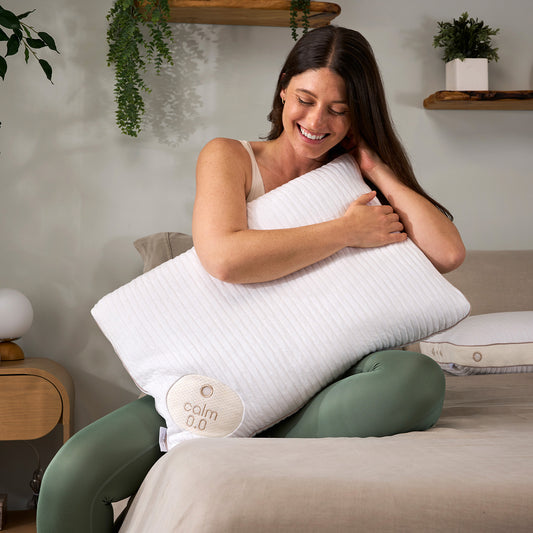
Here's the thing: you don't have to choose between soft and springy; that would be silly. Our Calm Performance® Pillow uses Natural Boost® Fill, a blend of airy kapok fibers and latex. You get kapok's plush, silky feel with latex's bounce, so the pillow stays comfy without falling flat.
Inside, a breathable Natural Active Core™ helps support airflow. Outside, a 100% cotton cover with Air-X mesh and air vents keeps air moving. Calm also comes in four heights, from 0.0 to 3.0, so you can match it to your body and sleep position.

Soft kapok and springy latex in one natural fill, with a breathable cotton cover and four heights to choose from.
Shop the Calm PillowOne quick note, though: because Calm contains latex, it isn't the right pick if you have a latex allergy. For everyone else, pair it with a pillow protector to keep the fill fresh. This way, your pillow stays comfortable, clean, and pristine.
Kapok vs. Latex vs. Buckwheat: The Bottom Line
So, kapok vs. latex vs. buckwheat: which one wins? At the end of the night, kapok is the soft, featherlight pick, whereas latex is the springy one that holds its shape. Last but not least, buckwheat is the firm, moldable option for sleepers who want their pillow to stay put.
When it comes to choosing the best pillow fill materials, make sure you start with the feel you love and your sleep position, from there, pick the fill that matches. Of course, if you can't decide between soft and springy, a kapok-latex blend gives you the best of both worlds.
Frequently Asked Questions About Kapok, Latex, and Buckwheat Pillows
Still weighing your pillow feel options? Here are quick answers to the questions we hear most at BEDGEAR.