

How a Breathable Protector Extends Your Mattress Life
You spent real money on your mattress, so it makes sense to want it to last, especially if you bought yourself a good one. Here is the part most people miss: a mattress rarely wears out from the weight of your body. It wears out from the heat and moisture that build up inside it night after night.
That is exactly where a breathable mattress protector earns its keep. It shields your mattress from the sweat, spills, and everyday moisture that break materials down, while letting air move freely so heat never gets trapped.
Below we walk through how that works and why breathability is the feature that makes the difference. Read on to discover what you need to know about how breathable mattress protectors extend your mattress' life.
What Even Makes a Mattress Protector "Breathable"?
Not all protectors are built the same... even if every single bedding brand claims that they are. The old-school versions use a plastic or vinyl backing to block liquid, and while that keeps spills out, it also seals heat and humidity in. You end up sleeping hotter, and your mattress sits in a warm, damp layer all night.
A breathable protector solves that with performance fabric instead of plastic. The material still stops liquid from reaching the mattress, but its structure lets air pass through, so heat and moisture move up and out rather than pooling against the bed. You get the protection without the sweaty, clammy feel.
Breathability is easy to claim and harder to prove, which is why BEDGEAR built a way to measure it. Our patented CFM airflow measuring system (opens in a new tab) reads how much air actually passes through the bedding, so airflow is something the brand can put a number to rather than just print on a tag. When a protector is engineered around measured airflow, "breathable" stops being marketing and starts being a spec.
How Heat and Moisture Wear Out a Mattress
Your body gives off heat and moisture all night; that is just how sleep works, and we bet you've experienced your fair share of night sweats. In fact, the average person loses a fair amount of water through sweat and breathing over eight hours, and a lot of that ends up in the sleep surface. Without a barrier, it soaks straight into the mattress.
Over months and years, that moisture goes to work on the materials inside. Foam layers can degrade and lose their support faster in damp conditions, and a warm, humid environment is exactly what dust mites and mildew like best. Trapped heat only speeds things up, keeping the interior of the mattress warmer than it should be.
Then there is the warranty. Most mattress warranties are voided by a single visible stain, so one spilled drink or accident can undo your coverage entirely. A protector is a small layer standing between all of that and the mattress you are trying to protect. If you tend to wake up drenched in sweat, that barrier matters even more.
How a Breathable Protector Extends Your Mattress Life
Put those two ideas together and the benefit is clear and easy to understand. A breathable protector blocks what wears a mattress down while releasing what would otherwise get trapped inside. Here is what that looks like in practice:
- Keeps moisture out of the foam, where sweat and spills would slowly break down the materials.
- Lets heat escape, so the mattress is not sitting in trapped warmth all night.
- Blocks stains that could void your warranty and cut the mattress life short.
- Discourages dust mites and mildew by keeping the surface drier.
None of this changes how your bed feels, which is the point. The protector does its work quietly underneath your sheets while you get a cleaner, cooler, longer-lasting mattress out of the deal.
For the full picture on choosing one, our bed protector buying guide covers features, fit, and care, and our take on whether a protector is necessary makes the broader case.
Breathable vs. Basic Waterproof Protectors
Both types keep liquid off your mattress, so on paper they look similar. The difference shows up the moment you lie down and again over the years as your mattress ages.
This is where breathability separates the two.
| Feature | Breathable Performance | Basic Plastic-Backed |
|---|---|---|
| Airflow | Lets heat and moisture escape | Traps heat against the bed |
| Sleep temperature | Stays cool and dry | Can sleep hot and clammy |
| Feel | You barely notice it | Stiff, crinkly surface |
| Waterproofing | Blocks liquid, still breathes | Blocks liquid, no airflow |
| Effect on mattress life | Helps it last longer | Heat and moisture still build up |
Luckily, the takeaway is simple. A basic waterproof protector solves the spill problem but can quietly create a heat problem, whereas a breathable one handles both at once, which is why it does more for your mattress over the long run.
BEDGEAR's Breathable Mattress Protectors
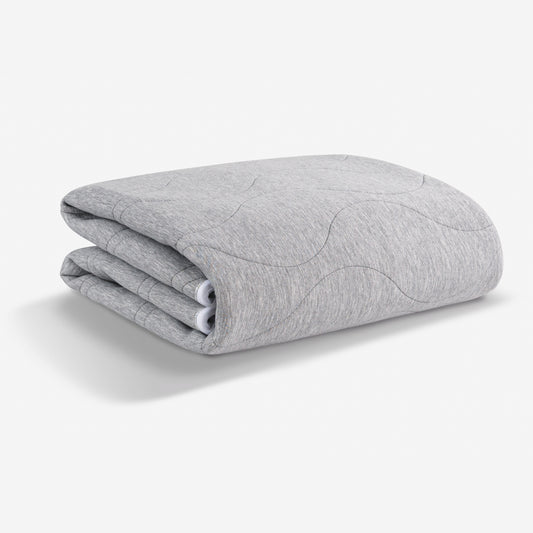
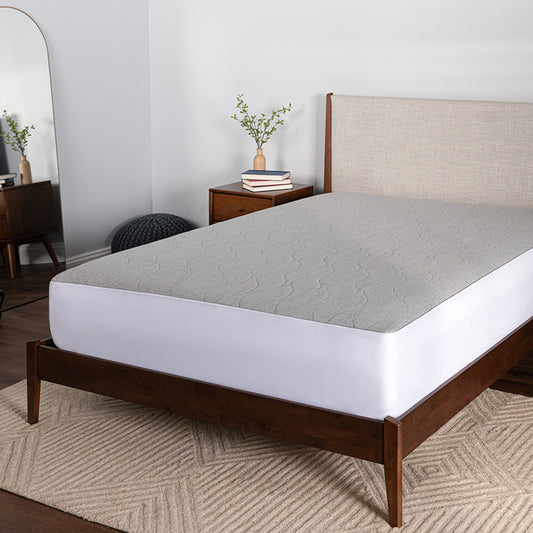
BEDGEAR builds its protectors around airflow rather than treating it as an afterthought. Each mattress protector blocks liquid and shields the mattress while keeping air moving, and they lean into breathability in slightly different ways.
Here are three worth knowing.
-

Airflow
Air-X Mattress Protector
Engineered around airflow so heat and humidity move up and out instead of settling into your mattress.
Shop Air-X › -

Moisture-Wicking
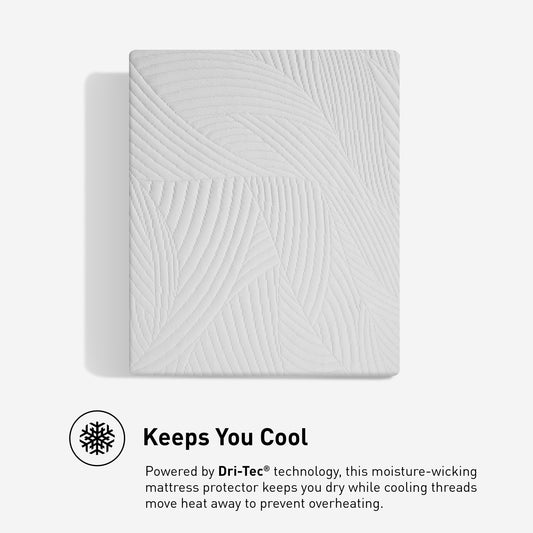
Dri-Tec Mattress Protector
Pulls sweat and moisture away from the surface so it never soaks into the layers below.
Shop Dri-Tec › -

Cool-to-the-Touch
Ver-Tex Mattress Protector
Feels instantly cool on contact while still shielding the mattress from spills and sweat.
Shop Ver-Tex ›
Any of the three will protect your mattress better than a plastic-backed cover ever could. Still, the right pick comes down to what you want most: pure airflow, moisture control, or that cool-to-the-touch feel the moment you get into bed.
Give Your Mattress the Layer It Needs
BEDGEAR's breathable protectors block spills and sweat while keeping air moving, so your mattress stays cleaner, cooler, and in shape for longer.
Getting the Most Life From Your Mattress
A breathable protector does a lot of the heavy lifting, but a few simple habits help your mattress go the extra mile.
Sure, none of these take much effort, but together they add up. Build them into your routine and your mattress will thank you:
- Wash your Protector Regularly: According to the care label so it keeps repelling moisture.
- Let Your Bed Breathe: By pulling back the covers for a bit in the morning before making it.
- Rotate Your Mattress: Every few months if the manufacturer recommends it, to even out wear.
- Keep the Room Ventilated: Since good airflow in the bedroom helps the whole sleep system stay dry, ventilation is needed.
Pair those habits with the right mattress protector and you have covered the two things that age a mattress fastest: moisture and heat.
That is most of the battle right there, and BEDGEAR is here to help you win it.
The Bottom Line on How a Breathable Mattress Protector Extends Your Mattress Life
A breathable mattress protector is one of the least expensive ways to protect one of your biggest home investments. Mattress protectors block the spills, sweat, and stains that break a mattress down, and it lets heat and moisture escape, so nothing gets trapped inside. That combination is exactly what helps your mattress last.
If your current protector makes you sleep hot or crinkles every time you move, it is working against you on both comfort and longevity. Switching to a breathable, performance-driven protector fixes both at once.
So, the bottom line on how a breathable mattress protector extends your mattress life? At the end of the night, you get a cooler night's sleep now and a mattress that holds up longer down the road.
Frequently Asked Questions About Breathable Mattress Protectors
Still have questions about breathable protectors and mattress longevity? Here are the ones we hear most, and here are the answers you may need.
Does a mattress protector make you sleep hot?
It depends entirely on the protector. A cheap plastic-backed protector traps heat against your body and can absolutely make you sleep hot. A breathable performance protector is designed to do the opposite; it lets heat and moisture pass through so your bed stays cool and dry. If you have ever felt like a protector made your bed warmer, the fabric was the problem, not the idea of a protector itself.
Does a mattress protector really extend the life of a mattress?
Yes. Sweat, spills, body oils, and everyday moisture slowly break down the foam and materials inside a mattress, and stains can void the warranty entirely. A protector keeps all of that off the mattress, so the layers you actually sleep on stay clean and intact for longer. A breathable one goes a step further by letting trapped heat and humidity escape instead of building up inside the bed.
Are breathable mattress protectors waterproof?
Many are both, and that is the sweet spot. Breathable and waterproof are not opposites; a well-built performance protector blocks liquid from reaching the mattress while still letting air move through the fabric. That means you get spill and sweat protection without the hot, clammy feel of an old-style plastic sheet.
How often should you replace a mattress protector?
As a general rule, plan to replace a mattress protector every one to two years, though it depends on use and care. Swap it sooner if it stops repelling liquid, feels thin or worn, or no longer fits snugly. Washing it regularly according to the care label keeps it working and extends how long it lasts.
You May Also Like
-
 Maximum BreathabilityRegular price $169.99Sale price $169.99 Regular priceUnit price per
 -

 Regular price $149.00Sale price $149.00 Regular priceUnit price perSold out

