

Sleep and Exercise: Is Working Out Before Bed Bad?
Quick Summary
Sleep and exercise work as a two-way street, and there might be some myths to bust for you here. Of course, good workouts help you sleep deeper, and good sleep helps you show up stronger next time.
So, is working out before bed bad?
Well, for most healthy adults, the answer is no. Research shows evening exercise doesn't hurt sleep overall, and it may even add a little deep sleep.
The one exception is a hard, all-out session that ends within about an hour of lights out. That's a no-no.
You finally get a free hour at 8 p.m., and your sneakers are staring at you. Menacingly. Then, that old advice pops into your head: don't work out before bed or you won't wake ready. So, which is it? And what happens if you go against the grain? Well, let's clear it up with what the research actually says.
In this guide, we walk through the questions people ask most about the relationship between sleep and exercise, from night workouts to restless post-gym nights. You'll see how sleep interacts with exercise, where timing matters, and how to wind down fast.
In fact, pro athletes build sleep into the training plan; the same approach works for the rest of us, too. Read on to learn more below.

Train Hard. Recover Harder. Sleep better.
AJ Brown
How Sleep and Exercise Work Together
Sleep and exercise feed each other. Training creates the need for repair, and sleep is when a lot of that repair happens; pretty much all of it, actually. During deep sleep, your body releases growth hormone and gets to work on muscle tissue to ensure that you're ready for the next outing.
It works the other way too. A short night can make your next workout feel heavier and your motivation dip; you know the feeling, heavy legs, poor coordination, and bad sleep. Sadly, poor sleep also makes it harder to stick with a routine. However, when you protect your sleep, you're protecting your training as well.
Is Working Out Before Bed Bad?
For most healthy adults, working out before bed isn't bad at all, and it's time to put this myth to bed. A 2019 meta-analysis in Sports Medicine (opens in a new tab) pooled 23 studies on evening exercise. The researchers found no evidence that it hurts sleep overall. Moreover, people who exercised in the evening spent slightly more time in deep, slow-wave sleep.
There's one catch, though, and it's a biggie. Vigorous exercise ending an hour or less before bedtime was linked with taking longer to fall asleep and sleeping a bit less. That makes sense; your heart rate is still up and your body is running very hot. For this reason, give yourself a buffer after hard sessions; this way, you're in good shape and have nothing to worry about.
How Much Exercise is Too Much Before Bed?
The researchers suggested an easy gut check called the talk test, and you can use this during your next workout session. During moderate exercise, you can still talk, but you probably couldn't sing. During vigorous exercise, on the other hand, you can barely get a few words out. If your late session lands in that second zone, finish earlier or dial it back a notch, or 10.
Is It Bad to Work Out at Night?
Working out at night isn't bad either; it just takes a little planning. The type of workout and when it ends matter more than the clock itself. A gentle yoga flow and a max-effort sprint session hit your body very differently.
Here's a quick guide to how different workouts line up with bedtime.
Night Workout Timing Guide
| Intensity | Examples | When to Finish |
|---|---|---|
| Light | Walking, stretching, easy yoga | Generally fine close to bedtime |
| Moderate | Easy jog, steady cycling, lighter lifting | Usually fine in the evening; a short cooldown helps |
| Vigorous | HIIT, sprints, heavy lifting, hard intervals | At least 1 hour before bed; 2 hours is even better |
Think of these as guidelines and not hard rules. After all, everyone responds a little differently, so pay attention to how you sleep after late sessions. If you're tossing and turning, move your hardest days earlier. Save the evenings for lighter work.
Does Exercise Help You Sleep?
Yes, and the evidence is pretty solid, actually. A review of 66 studies in the Journal of Behavioral Medicine (opens in a new tab) looked at both single workouts and regular exercise. Regular exercise was linked to more total sleep, better sleep efficiency, and falling asleep a bit faster. Moreover, the biggest boost showed up in how people rated their overall sleep quality.
More often than not, consistency seems to matter most for athletes. One workout can help a little, sure, but the benefits build when exercise becomes a habit. Plus, exercise also helps burn off stress and anchors your daily rhythm. Think of it as a deposit you get to cash in at bedtime. And you can spend that rainy day fund you build up on your next explosive session.

Why Can't I Sleep After a Workout?
If you can't sleep after working out, you're not imagining it. Unfortunately, this is a real problem that many people have. A few things can keep you wired long after your last rep. Most of them come down to heat, hormones, and habits. Here are the usual suspects.
High Core Temperature
Exercise raises body heat, and your body needs to cool down to fall asleep.
Stress Hormones
Hard training bumps up adrenaline and cortisol, which keep you alert.
Pre-Workout Caffeine
Many pre-workout drinks pack serious caffeine that lingers for hours.
Racing Heart Rate
An elevated pulse makes it harder to shift into rest mode.
Bright Lights and Screens
Gym lighting and late scrolling tell your brain it's still daytime.
A Hot Sleep Setup
Heat-trapping bedding piles onto the heat you're already carrying.
The good news is that most of these are simple fixes. Skip stimulants late in the day and give your body a real cooldown. From there, set up your bedroom so it helps you shed heat instead of trapping it. Let's get into it in more detail down below.
How to Wind Down After a Little Late-Night Workout Action
A smart cooldown is your first move, so don't just run a 100 meters. come to a dead stop, and then lay down. Instead, spend five to ten minutes walking or stretching to bring your heart rate down. A warm shower can help too; it draws heat to your skin so your core can cool off afterward. Then, make sure you dim the lights and put that phone away!
Your sleep environment does the rest. Keep your bedroom cool, dark, and quiet. Breathable bedding matters more than most people think, especially when you're already running warm. Our guide to the sleep microclimate goes much deeper on this subject.
Build a Cooler Sleep System
This is where performance bedding earns its spot, so welcome to our favorite part of the blog post.
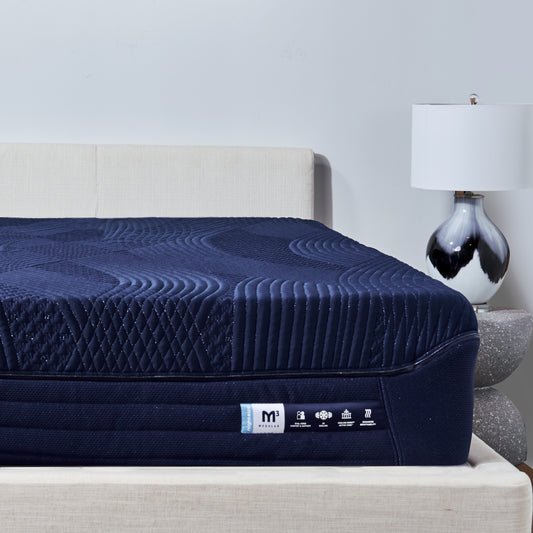
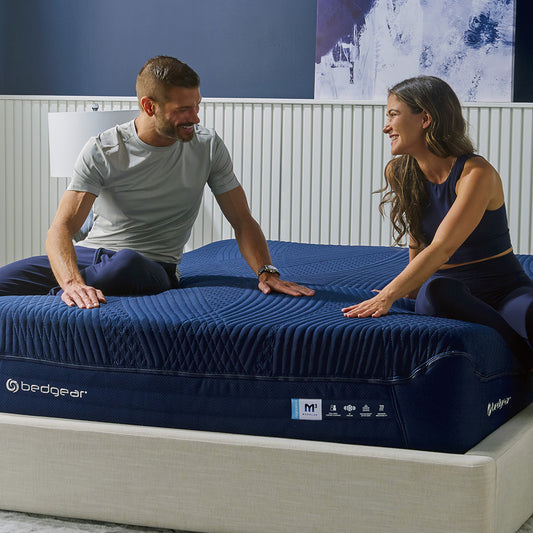
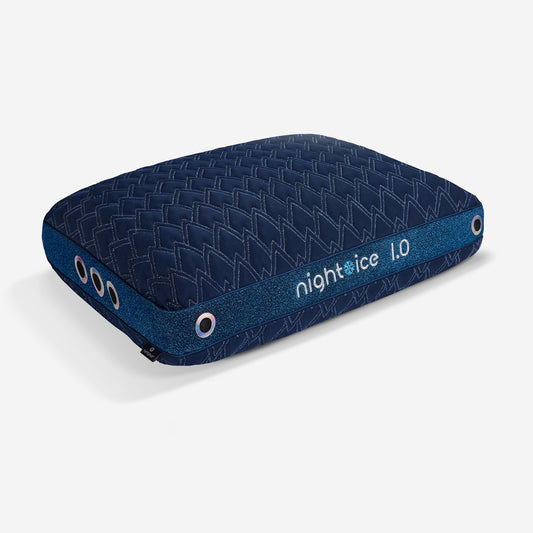
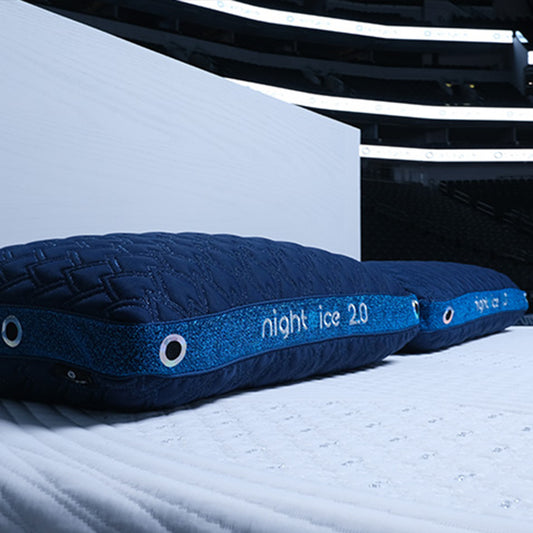
Our Night Ice Performance® Pillow is cool to the touch and built to breathe. Ver-Tex® Sheets use an engineered fabric that feels cool and helps reduce heat buildup. And for the full setup, the M3 Night Ice Performance® Mattress pairs airflow with a patented modular design (opens in a new tab) you can tailor right to your body. Even AJ brown and PJ Washington sleep on BEDGEAR.

Plus, fit matters just as much as temperature. And at the end of the night, the right pillow keeps your neck in line whether you sleep on your back, side, or stomach. NBA forward P.J. Washington dialed in his own setup around the same ideas; see how P.J. Washington uses sleep as his secret weapon.
Find Your Pillow Match
Our PillowID® quiz matches you with a pillow based on your body type and sleep position. Answer a few quick questions and get your pick.
Can You Train Your Body to Need Less Sleep? And Should You?
Unfortunately, no. Most adults need at least seven hours a night, and very active people often need more. Now, you may have heard or read somewhere that a tiny number of people carry rare genes that let them thrive on even less sleep, but you can't train your way into that group. What feels like adapting is usually just getting used to being tired. And being tired is terrible for your athletic performance.
In fact, athletes often aim higher than the general target. Many sports scientists suggest eight to ten hours for people in heavy training. If that sounds like a lot, though, don't do it all at once and panic. Instead, try adding 15 to 30 minutes at a time. At the end of the night, a solid nighttime routine makes that shift a lot easier.
The Bottom Line on Sleep and Exercise
Sleep and exercise are teammates, not bitter rivals. Evening workouts are fine for most people, and regular training tends to go hand in hand with better sleep. All that being said, just give hard sessions a buffer before bed and cool down on purpose.
Then, make your bed part of the plan and consider building a sleep system. A cool, breathable setup makes it easier to shed the heat from a late workout. Now, if you run hot, our picks for hot sleepers are a great place to start. Train hard, sleep smart, and wake ready. That's the BEDGEAR mantra.
Frequently Asked Questions About Sleep and Exercise
Still have questions about working out and sleeping? To further explore the topic and debunk any additional myths you may encounter, we've answered the most common ones below.
Should I Work Out Before Bed?
It depends on the workout. Light to moderate exercise in the evening is fine for most healthy adults and may even add a bit of deep sleep. Save very hard sessions for earlier, or finish them at least an hour before bed. Pay attention to how you sleep and adjust from there.
How Long Before Bed Should I Stop Working Out?
For vigorous workouts, aim to finish at least one hour before bed; two hours is even better. Research found that hard exercise ending an hour or less before bedtime can make it harder to fall asleep. Light activity like walking or stretching is generally fine closer to bedtime.
Is It Healthy to Work Out at Night?
Yes. For most people, the best time to exercise is the time they'll actually stick with. Night workouts still count toward your weekly activity goals. Just build in a cooldown so your body has time to settle before sleep.
Does Working Out at Night Affect Sleep?
Usually not in a bad way. A review of 23 studies found evening exercise didn't hurt sleep overall in healthy adults. The exception was vigorous exercise ending within about an hour of bedtime, which was linked to slower sleep onset and a bit less total sleep.
How Does Exercise Improve Sleep?
Exercise builds up your body's need for rest, helps burn off stress, and supports a steady daily rhythm. Over time, regular activity has been linked to more total sleep, falling asleep faster, and better sleep quality. Consistency matters more than any single workout.
BEDGEAR · Wake Ready®
Build a Sleep Setup That Keeps Up With You
Cool-to-the-touch pillows, breathable sheets, and mattresses you can tailor to your body.
You May Also Like
-
 Regular price $2,999.99Sale price $2,999.99 Regular priceUnit price per
$3,499.99Sale -
 3x CoolingRegular price $299.99Sale price $299.99 Regular priceUnit price per
$299.99
