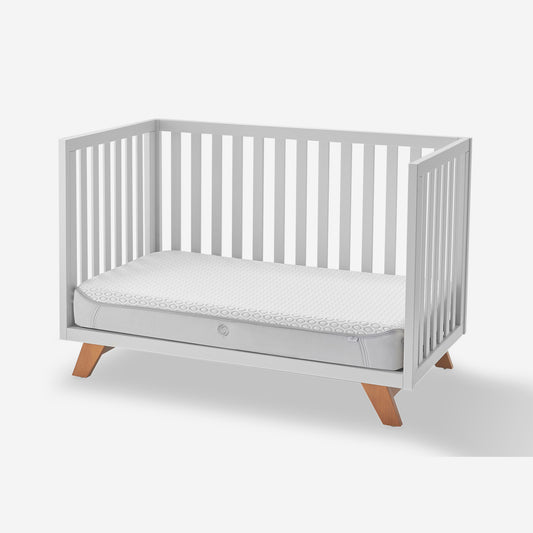
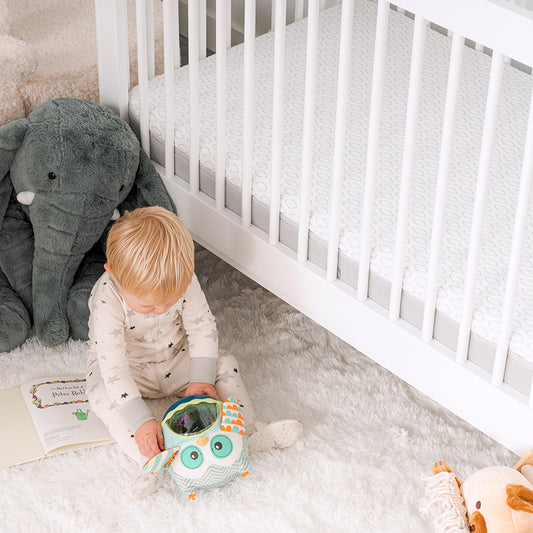
Every parent hits this question eventually: is it time to trade the crib for a toddler bed? It feels like a big step, and it kind of is. It does not have to be stressful, though.
The truth is that timing matters less than readiness. Some kids are ready before their second birthday; plenty are happier staying put until closer to three. This guide walks through when to transition from crib to toddler bed, how to spot the signs, and how to help the new setup actually stick.
When to Transition From Crib to Toddler Bed
Most families make the switch somewhere between 18 months and 3 years old. That is a wide range on purpose. Your toddler is an individual, and what is right for the kid next door might be completely wrong for yours.
So instead of watching the calendar, watch your child. Readiness beats age every time. A toddler who is climbing the rails needs a change now; a content 2-year-old who sleeps soundly in the crib does not.
The Typical Age Range
For most kids the window runs from 18 months to 3 years, and the sweet spot for many lands closer to 2½ to 3 years. Waiting a little longer often makes the transition easier, since older toddlers grasp simple rules and can follow a bedtime routine. Younger toddlers may treat a new open bed as an invitation to roam.
There is no prize for switching early, so do not rush it because you feel like you should. If your child is safe and sleeping well, you have room to wait.
Why Readiness Beats a Birthday
Age is a rough guide, not a rule. Two kids the same age can be in completely different places when it comes to sleep, mobility, and independence. That is why the signs your toddler shows you matter far more than the number of candles on the cake.
The rest of this guide leans on those signs. Learn to read them and you will know your moment when it arrives.
How Do I Tell if My Toddler Is Ready for a Toddler Bed?
This is the question most parents actually want answered, and the signs are usually clear once you know what to look for. Here are the big four.
- 1Climbing OutYour toddler is climbing, or trying to climb, over the crib rail. This is the number one safety trigger.
- 2Outgrowing the CribThey have reached the height guideline, roughly 35 inches, or the rail sits below their chest.
- 3Potty TrainingNighttime potty trips mean your toddler needs to get in and out of bed on their own.
- 4Asking for a Big Kid BedThey are talking about it, pointing at sibling beds, and clearly ready for the independence.
You do not need all four signs to make the move; even one strong signal, especially climbing, is usually enough. This guidance is general, so talk to your pediatrician about anything specific to your child.
The Climbing Test Trumps Everything
If one sign overrides the others, it is climbing. A toddler who can get over the rail can also fall from it, and that turns the crib from a safe space into a risk. Once climbing starts, safety says it is time to move and age becomes irrelevant.
Some parents buy time by lowering the mattress to its lowest setting, and that can help for a while. But once your child is determined and able, the toddler bed is the safer answer.
Should a 2-Year-Old Be in a Crib or Toddler Bed?
This is one of the most common questions parents ask, so here is the plain answer: a 2-year-old can absolutely stay in a crib, and many do. There is no rule that the crib has to go the day they turn two.
If your 2-year-old is climbing out, has reached the height guideline, or is potty training at night, a toddler bed makes sense. If none of that is happening, keeping them in the crib is not just fine; it is often the calmer and safer choice. Follow your child rather than a timeline.
How to Keep Your Toddler in Bed When Transitioning From Crib
Here is where the real work happens. The bed itself is easy; keeping your newly free toddler in it is the challenge. The crib did the containing for you, and now your routine has to do that job instead.
The good news is that consistency solves most of this. Three habits do the heavy lifting: a steady routine, a boring room, and a calm response when they wander. Here is how each one works.
Build a Consistent Bedtime Routine
Toddlers thrive on predictability, even when it does not look like it. The same wind-down every night, in the same order, tells your child that sleep is coming and there is no need to fight it. Think bath, pajamas, teeth, a couple of books, lights out, at roughly the same time each night.
This is a good place for the 80 20 rule for toddlers. Aim to keep the routine steady about 80 percent of the time and give yourself grace for the other 20 percent. A late night at grandma's will not undo weeks of consistency.
Protect the Afternoon Nap
Nap timing has a bigger effect on bedtime than most parents expect. Is 3pm too late for a 2-year-old to nap? For many toddlers, yes; a nap that runs much past midafternoon can steal the drowsiness you need at bedtime. That often leads to more getting out of bed, not less.
Try to have the nap wrapping up by early to midafternoon so there is enough awake time before bed. Every child is different, so watch how nap timing plays out for yours and adjust. For a fuller picture of what your child needs at each stage, our guide on how much sleep your child should get each night is a useful next read.
Set Clear, Calm Boundaries
When your toddler pops out of bed, and they will, how you respond sets the pattern. Keep it low-key and repetitive. Walk them back with minimal talking, minimal light, and minimal drama, every single time.
It can feel like a broken record for a few nights, so stick with it. Most toddlers settle into the new normal within a couple of weeks once they learn that getting up leads to nothing exciting.
Making the Switch This Week?
A calm, comfortable sleep space makes the crib to toddler bed transition easier on everyone. Start with a supportive mattress and a protector that keeps it fresh through every nighttime surprise.
Setting Up the Toddler Bed for Better Sleep
A new bed is a fresh start, and the surface underneath matters as much as the frame. Comfort and support help your toddler settle in and stay asleep, which is exactly what you want during a transition. It is also the right moment to protect that mattress before the spills and accidents begin.
The Mattress Still Matters
A growing child needs support, not a surface that sinks. Many families keep the same mattress when they move from crib to toddler bed, and a mattress built for both stages makes that straightforward. Our Air-X Performance® Crib and Toddler Mattress is designed to carry your child through both, with breathable, supportive construction made for younger sleepers.

Breathability is a bigger deal for little ones than most parents expect, since toddlers tend to sleep warm. A surface that feels cool to the touch and keeps air moving helps your child settle without heat building up. You can browse the full range in our crib mattresses collection.
Do Not Skip the Mattress Protector
Toddler beds and accidents go hand in hand, especially during potty training. A good mattress protector is the small purchase that saves the big one. It shields the mattress from spills, leaks, and the occasional midnight surprise, and it keeps the sleep surface fresh.
Look for a protector that is waterproof yet breathable, so it guards the mattress without trapping heat against your sleeping toddler. Our crib mattress protectors are built to do exactly that. While you are refreshing the setup, our guide on how many crib sheets you need is worth a quick look too.
Frequently Asked Questions About Crib and Toddler Beds
Still weighing the crib to toddler bed switch? Here are quick answers to the questions parents ask most.
What Is the 80 20 Rule for Toddlers?
Is 3pm Too Late for a 2 Year Old to Nap?
How Do I Tell if My Toddler Is Ready for a Toddler Bed?
How Do I Keep My Toddler in Bed When Transitioning From Crib?
Should a 2 Year Old Be in a Crib or a Toddler Bed?
Knowing When to Transition From Crib to Toddler Bed
The move does not have to be a battle. When you follow your child's readiness signs instead of a birthday, you pick the right moment for your family. Climbing, outgrowing the crib, and potty training are your green lights; a content, safe sleeper is your reason to wait.
Once you make the switch, consistency carries the rest. Keep the routine steady, protect the nap, respond calmly, and set up a comfortable, protected sleep space. Knowing when to transition from crib to toddler bed is mostly a matter of watching your child closely and trusting what you see.