Most people replace their pillows when they remember to, and how often is that? The average pillow gets used for years past the point where it's actually doing anything useful; losing its shape, collecting allergens, and quietly working against the sleep it's supposed to be supporting.
The good news is that knowing when to replace a pillow isn't complicated. There are clear signals, and once you know what to look for, the decision makes itself. This guide covers how often you should replace a pillow by material type, the signs that tell you it's already time, and how to get more life out of the one you have.
Signs It's Time to Replace Your Pillow
The calendar is a useful starting point, but it's not the whole story, either. A pillow that's been well cared for might still have some life left at the 18-month mark, while one that's been through heavy use without a protector might be done at 12. The real indicators are physical; they show up in the pillow itself and in how you feel when you wake up.
These are the four most reliable signals. Any one of them on its own is enough reason to replace.
The Fold Test
The best way to tell if it's time for a pillow to go is actually simple; it's the fold test. Fold the pillow in half and let go. A pillow that's still doing its job springs back to its original shape. One that's past its prime stays folded or takes a long time to recover.
For down and down alternative pillows, you can add weight to the test: fold it in half and place a shoe on top. If the pillow doesn't push the shoe off, it's lost the loft it needs to support your head and neck through the night. Simple test. Clear answer.
Memory foam and latex pillows don't fold the same way, though, so apply a modified version: press down firmly in the center and release. The foam should rebound within a second or two. If it stays compressed, forms a permanent indent, or feels unevenly dense, the material has broken down. It may still look fine from the outside; the test tells you what the surface can't, so please make sure you give this test a shot.
You're Waking Up With Neck Pain
A pillow that's lost its support stops keeping your head in alignment with your spine. The muscles in your neck and shoulders compensate by staying partially engaged overnight; holding your head in position rather than resting.
You feel it in the morning as stiffness, soreness, or a tension headache that clears up as the day goes on. If that pattern is consistent, and nothing else has changed in your sleep setup, the pillow is almost certainly the cause.
The test is simple: sleep on a different pillow for a week. If the stiffness improves, you have your answer. It's worth doing before you start attributing the problem to your mattress or your sleep position, both of which are harder and more expensive to address.
Nine times out of ten, the pillow is the variable that changed. In fact, we have some pillows that should be able to help you out with some neck pain, like our pillows for side sleepers.
Your Pillow Has Visible Stains or Odor
Sweat, skin oils, and moisture accumulate in pillow fill over time. Sure, washing the pillowcase handles the surface layer, but it doesn't reach what's built up inside. Visible yellowing on the pillow itself, or an odor that persists after washing, means the fill has absorbed more than laundering can fix.
That's not just a hygiene issue; it's a sign the material has broken down. The pillow isn't going to recover from that point, so it's time to move on or, well, use it as a decoration.
If you've never used a pillow protector, this is where it shows up. Protectors block the moisture and oils at the source before they reach the fill. A pillow with a protector on it from night one can look and perform significantly better at the two-year mark than one that's been used without. It's an easy habit to build and one of the cheapest ways to extend the life of a good pillow.
Your Allergies Are Worse at Night
Pillows accumulate dust mites, mold spores, and pet dander over time. A pillow that's more than a year or two old and hasn't been consistently protected is a significant allergen source. If your symptoms are worse at night or first thing in the morning, and they improve after you've been up for a while, your pillow is likely contributing.
A new pillow paired with a quality pillow protector addresses the source directly; antihistamines address the symptoms without fixing anything.
Dust mites thrive in warm, humid environments; which is exactly what an unprotected pillow becomes after months of use. Washing the pillow itself helps, but most pillow materials can only be laundered so many times before the fill degrades.
At a certain point, replacement is the more effective solution. If you're washing the pillow repeatedly and still experiencing nighttime symptoms, you're past that point.
How Often Should You Replace a Pillow?
Okay, so it's time to answer the question you've been waiting for: "How often should you replace a pillow?" Well, the standard recommendation is every one to two years, and that holds for most pillow types under normal use conditions.
But "normal use" covers a lot of ground, and material makes a real difference in how long a pillow holds its performance before it starts working against you.
Thankfully, we have a table that's going to make this super simple. The table below breaks it down by type. Use it as a starting framework, not a hard rule; the physical signals covered above are always the more reliable indicator than the date you bought it.
| Pillow Type | Typical Lifespan | Key Signal to Replace |
|---|---|---|
| Polyester / Down Alternative | 12–18 months | Fails the fold test; clumping fill |
| Down | 2–3 years | Lost loft; persistent odor despite washing |
| Memory Foam | 2–3 years | Flat or unresponsive; no longer conforms |
| Latex | 2–4 years | Crumbling or cracking; loss of bounce |
| Performance (BEDGEAR) | 3+ years | Reduced airflow; shape no longer recovers |
How Often Should a Memory Foam Pillow Be Replaced?
Memory foam pillows typically last two to three years before the material starts to break down. The wear isn't always visible; it shows up in performance. When a memory foam pillow stops conforming to the shape of your head and neck and starts feeling flat or uniformly dense, it's no longer providing the pressure relief and alignment support it was designed for.
At that point, you're sleeping on a block of degraded foam rather than a responsive surface. Two to three years is the window; the pillow's behavior is the indicator.
Higher-density memory foam holds up longer than lower-density versions, so the price point you paid matters here. A budget memory foam pillow may start breaking down inside 18 months. A well-constructed one can push closer to three years before the feel changes meaningfully.
Either way, the test is the same: press it down and watch how it responds. Slow recovery or permanent compression means it's done.
How Often Should Down and Down Alternative Pillows Be Replaced?
Down and down alternative pillows are the shortest-lived of the common types. Polyester fill compresses and clumps faster than natural or foam materials; most down alternative pillows are past their useful life by 12 to 18 months under regular use.
Natural down holds up better, typically lasting two to three years with proper care, but it's more sensitive to moisture and requires consistent maintenance to reach that lifespan. Both types fail the fold test clearly when they've reached the end; that's the most reliable way to check.
The tradeoff with down and down alternative is that they're often the softest and most comfortable options in the short term, which makes it easy to keep sleeping on them past the point where they're actually supporting your head.
Comfort and support are different things. A flat down pillow can still feel soft; it just isn't holding your neck in alignment anymore. If it's been more than 18 months and the pillow doesn't pass the fold test, the comfort you're feeling isn't the same as performance.
Performance and Specialty Pillows
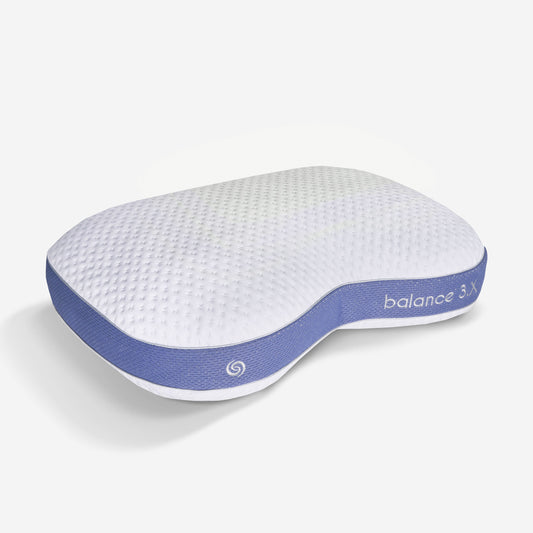
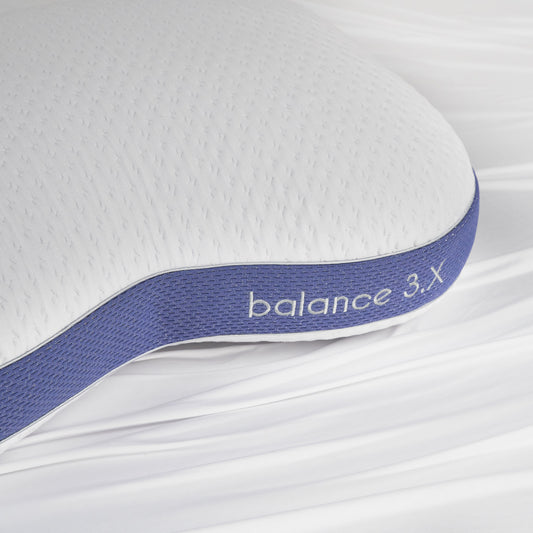
Performance pillows built with higher-density materials and engineered fill last longer than standard options, and they tend to give clearer signals when they're done. BEDGEAR's Performance® Pillows are built around active airflow and fill materials that hold their loft and responsiveness longer than traditional constructions.
They're also designed to work with your sleep position rather than against it; which matters more than lifespan alone. A pillow that lasts three years but never fully supported your neck isn't a better investment than one that does the job right for two.
What separates a performance pillow from a standard one isn't just materials; it's the specificity of the design. Most pillows are built to a general comfort spec. Performance pillows are built around sleep position, body type, and temperature. BEDGEAR's lineup includes options for side, back, and stomach sleepers, with fill weights and loft heights calibrated for each.
When you replace a standard pillow with one that's actually matched to how you sleep, the difference is immediate. That's the real upgrade.
Knee Pillows and Body Pillows: When to Replace
Okay, so these are a little bit different. Standard replacement timelines apply to the pillow under your head, but what about knee and body pillows. Knee pillows and body pillows have their own wear patterns — and because they're doing positional work rather than just cushioning, the signal to replace them is slightly different.
When a knee pillow or body pillow loses its shape, it stops holding alignment. At that point it's not a comfort item anymore; it's just something in the bed.
Here's what to watch for with each.
When to Replace a Knee Pillow
A knee pillow sits between the knees for side sleepers or beneath the knees for back sleepers, keeping the hips, pelvis, and lower spine in neutral alignment through the night. It's a simple fix for the hip and lower back stiffness that side sleepers often chalk up to their mattress.
The problem is that the foam in most knee pillows compresses with regular use. When it stops holding its contour and no longer creates separation between the knees, it's not doing the alignment work anymore. Most foam knee pillows need replacing every two to three years; sooner if the foam has visibly flattened or no longer springs back after use.
Because knee pillows are smaller and less expensive than head pillows, they tend to get overlooked at replacement time. That's a huge mistake; a compressed knee pillow that's stopped holding your hips in position is contributing to the same misalignment you bought it to prevent.
If you're back to waking up with hip or lower back stiffness after a period where the knee pillow was helping, check the foam first. Odds are it's past its useful life.
When to Replace a Body Pillow
Body pillows wear faster than standard pillows simply because of their size. More surface area means more contact, more heat, more moisture, and more compression over time. Polyester-fill body pillows are the quickest to go; most are past their useful life by 12 to 18 months under regular use. The fold test still applies: fold the body pillow in thirds and let go.
No recovery means the fill has broken down and it's no longer providing the support a side sleeper or pregnancy sleeper is relying on it for. Body pillows also accumulate allergens faster than head pillows, which makes timely replacement a hygiene consideration as much as a comfort one.
If you use a body pillow for pregnancy support, replacement timing matters even more. The support requirements during pregnancy are specific; a body pillow that's lost its fill density isn't holding the weight of the belly in a way that actually relieves pressure on the hips and lower back. Down alternative and polyester fill both compress quickly under that kind of consistent load.
Check the fill every few months rather than waiting for the annual check, and replace sooner if the pillow has lost meaningful loft.
Not Sure Which Pillow Is Right for You?
BEDGEAR's Performance® Pillows are built for your sleep position, not just your preference. Find the one that actually supports how you sleep.
How to Make Your Pillow Last Longer
The replacement timeline above assumes normal use without much maintenance. With the right habits, most pillows will perform closer to the top of their lifespan range. None of this is complicated; it's mostly about reducing the moisture, heat, and compression that degrade fill materials over time.
Three things make the biggest difference.
Use a Pillow Protector
A pillow protector sits between the pillow and the pillowcase and blocks the moisture, oils, and allergens that degrade fill from the inside out. It's the single most effective thing you can do to extend pillow life; and it's the most commonly skipped step. BEDGEAR's pillow protectors are built with breathable, performance fabrics that block contaminants without trapping heat against the fill. Wash the protector regularly, and the pillow underneath stays cleaner and lasts longer.
One thing worth clarifying: a pillow protector and a pillowcase are not the same thing. The protector goes on first, directly over the pillow, and acts as a barrier. The pillowcase goes on top of the protector. Together, they create a two-layer system that keeps the fill in better condition far longer than a pillowcase alone. If you've been skipping the protector, adding one now won't undo existing damage; but it will protect the investment going forward.
Wash Your Pillowcase Regularly
Pillowcases should be washed every one to two weeks under normal use. More frequently if you sweat heavily at night, use hair or skincare products before bed, or sleep with pets. The pillowcase is the first line of defense; a clean one reduces how much reaches the protector and the fill beneath it.
Wash in warm water and dry completely before putting it back on. A damp pillowcase traps moisture in the fill, which accelerates the breakdown that shortens pillow life.
This one gets overlooked more than it should. People wash their sheets but go longer between pillowcase washes without thinking about it. The pillowcase is in direct contact with your face, hair, and any product you applied before bed; every night. Two weeks is already a generous window for most sleepers.
If you have oily skin, use leave-in hair products, or run warm at night, once a week is the more appropriate interval. It takes five minutes and it's one of the simplest things you can do to protect a pillow you've invested in.
Follow Care Instructions by Material
Different fill materials have different care requirements. Polyester and down alternative pillows are generally machine washable; wash them on a gentle cycle and dry on low heat with dryer balls to prevent clumping.
Down pillows need more careful handling; low heat and complete drying are essential because residual moisture promotes mold and odor in natural fill. Memory foam and latex pillows typically can't go in the washing machine at all; spot clean the cover and air them out regularly instead. Following the care label extends performance and keeps the fill material behaving the way it was designed to.
The dryer balls tip for down and down alternative is worth emphasizing. Without them, the fill clumps together as it dries and stays clumped; creating uneven density that affects support even in a pillow that's otherwise still viable. Two or three dryer balls on a low heat cycle breaks up the clumps and redistributes the fill as it dries.
It's a small detail that adds real time to the useful life of a down or down alternative pillow and costs almost nothing to implement. If this sounds like a lot, don't worry, because we have some product care guides that can help.
Replace Your Pillow Before It Costs You Sleep
A worn-out pillow doesn't announce itself. It just quietly stops working; and you adjust, shift positions, and wake up stiff without connecting the two. The one-to-two-year replacement window, combined with the physical signals covered above, gives you a clear framework for staying ahead of that problem rather than reacting to it after months of disrupted sleep.
So, how often do you need to replace your pillow? Well, depending on the pillow, every one to two years.
When you do replace your pillow, match the pillow to how you actually sleep. Therefore, a side sleeper needs more loft and firmer support than a back sleeper. On the other hand, a stomach sleeper needs less and a hot sleeper needs breathable fill that doesn't trap heat against the face all night. While this may sound like a lot, the good news is that BEDGEAR's Performance® Pillows are built around those variables.
We design pillows to support your sleep position and keep you cool through the night rather than fighting both problems with the same generic construction. The right pillow isn't just one that hasn't worn out yet. No, it's one that was right for you from the start.
Frequently Asked Questions About Replacing Pillows
More questions about pillow replacement and care? Here are the most common ones answered.