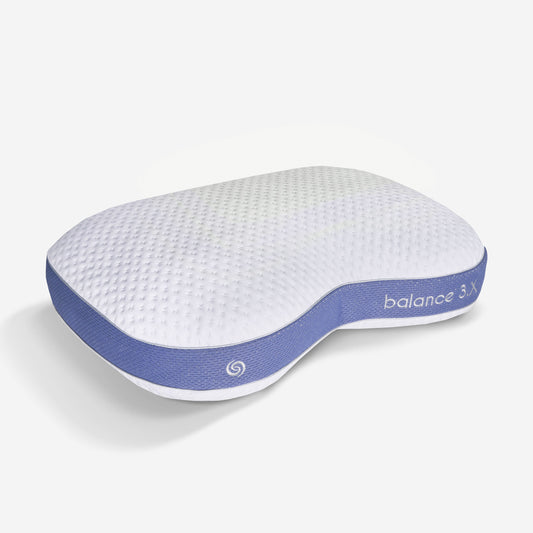
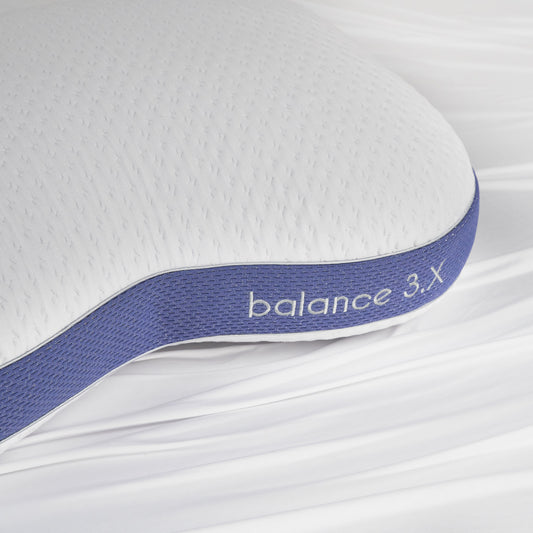
Back sleeping gets a good reputation for a reason. It distributes weight evenly, keeps the spine in a relatively neutral position, and reduces the kind of pressure buildup that side and stomach sleepers deal with at the hips and shoulders. But none of that holds up if your pillow isn't doing its job, especially if you feel like you're in a coffin instead of a bed.
The wrong pillow pushes your chin toward your chest or lets your head sink too far back; either way, your neck spends the night out of alignment. The right pillow for back sleepers keeps the head level, supports the natural cervical curve, and doesn't trap heat while doing it. In this guide, our goal is to help you find it, so stick around and learn more below.
Why Your Pillow Matters More Than You Think as a Back Sleeper
Most people think of pillow choice as a comfort preference. That said, it's actually a structural decision. When you lie on your back, the pillow is bridging the gap between your head and the mattress; and the size of that gap changes based on your shoulder width, mattress firmness, and body proportions.
Get the fill height even slightly off and the cervical spine sits at an angle for the entire night. That sustained angle (even a few degrees) keeps the muscles alongside the neck in a low-level state of tension rather than letting them fully switch off. The stiffness you feel in the morning isn't bad luck; it's actually biomechanics.
The good news: it's one of the more fixable sleep problems out there. The right pillow for back sleepers costs far less than a new mattress and makes a faster difference than most people expect.
What to Look for in the Best Pillow for Back Sleepers
Not all pillows are built with back sleepers in mind. A few specific variables separate a pillow that works from one that just looks the part.
Loft Is the Starting Point
Loft is the height of the pillow when it's at rest (we highly suggest giving our pillow loft guide a read if you have not already). For back sleepers, medium loft is almost always the right starting point. Too low and the head drops back; too high and the chin tucks toward the chest. That said, both pull the cervical spine out of its natural curve, and that's a huge problem.
All that said, the exact loft that works for you depends on your shoulder width and how much your mattress gives. Broader shoulders and softer mattresses both tend to need slightly less loft than the baseline; narrower frames and firmer mattresses may need slightly more. If you're unsure where you land, our Pillow Fit Quiz factors all of this in and gives you a specific recommendation.
Fill Type Affects Both Support and Heat
The fill inside the pillow determines how well it holds its loft overnight and how much heat it retains. Memory foam gives consistent support and holds its shape; but dense memory foam can trap heat, which becomes a real issue for back sleepers who already tend to run warmer against the pillow. Soft fills like down and down alternative compress more, which means the loft you start with isn't necessarily the loft you have by 3am.
Performance fills built around airflow give you the best of both: consistent support that doesn't require constant fluffing, with breathable construction that keeps heat from building up. That's the design philosophy behind every BEDGEAR Performance® pillow.
Breathability Isn't a Bonus Feature
Back sleepers press more surface area against the pillow than side or stomach sleepers. That means more heat accumulates between the pillow and the back of the head. When core temperature can't drop the way it's supposed to overnight, sleep becomes lighter and more fragmented; even if you don't fully wake up, you lose time in the deeper stages where recovery actually happens.
Look for breathable cover fabrics and fill constructions that promote active airflow rather than just passive ventilation. Ver-Tex® and Dri-Tec® covers do exactly that; pulling heat and moisture away from the contact point so your temperature regulation isn't working against the pillow all night.
BEDGEAR's Best Pillows for Back Sleepers
Every BEDGEAR pillow is available across multiple loft profiles; so finding the right fit is about matching the pillow to your sleep position and body, not settling for whatever's on the shelf. Still, some work better than others, so here are the three we'd point most back sleepers toward.


Not sure which loft profile is right for your frame? The Pillow Fit Quiz matches you to the right pillow and profile in about two minutes. We also have some additional advice for side sleepers and people who tend to toss and turn at night.
The Best Pillow for Back Sleepers Who Also Side Sleep
Do you also sleep on your side? Or do you bounce around and roll around the bed? Well, you're not alone, and we make pillows with your needs in mind.
In fact, most people don't stay in one position all night. Research suggests the average person shifts positions 10 to 40 times before sunrise; so if you default to your back but regularly roll to your side, your pillow needs to handle both.
The challenge is that back and side sleeping require different loft to maintain spinal alignment. On your back, you need the head level; on your side, you need the head elevated enough to fill the gap between the shoulder and the mattress. A pillow that's perfect flat on your back may feel too low the moment you roll over.
The Aspen Performance® Pillow is our top recommendation for back-and-side combination sleepers; its fill construction adapts to pressure shifts without losing its shape, so the support travels with you across positions.
Not Sure Which Pillow Is Right for You?
BEDGEAR's Pillow Fit Quiz matches you to the right pillow and loft profile based on your sleep position, body, and preferences. Takes about two minutes.
Add a Knee Pillow and Your Lower Back Will Thank You
The head pillow gets all the attention, but back sleepers have a second alignment variable worth knowing about: the lower back. When you lie flat on your back with your legs extended, gravity tends to pull the lumbar spine out of its natural curve; leaving it unsupported for the duration of the night.

Placing a pillow under the knees closes that gap, so why not do yourself a favor and grab a knee pillow? It slightly elevates the legs and restores the lumbar curve to something closer to its natural position; letting the muscles alongside the spine actually relax instead of compensating through the night. The result tends to show up as less lower back stiffness in the morning and a generally more rested feeling overall.
Our Knee Pillow is designed specifically for this. It's firm enough to hold its shape without flattening under the weight of the legs; and the contoured profile keeps it positioned correctly even if you shift during sleep. It's a small addition to the bed that solves a problem most back sleepers don't realize they have.
When Your Pillow Might Be Causing Your Neck Pain
Morning neck stiffness is one of the most common sleep complaints; and one of the most commonly misdiagnosed. Most people assume it's a stress response or a mattress issue but the pillow is usually the first thing worth checking.
A pillow that's too high pushes the chin toward the chest and holds the neck in a flexed position for the entire night. One that's too low, on the other hand, lets the head fall back and puts strain on the cervical spine from the opposite direction. Either way, the supporting muscles never fully relax and that tension is exactly what you feel when the alarm goes off.
For back sleepers dealing with neck pain specifically, the fix is usually one of two things: adjusting to the correct loft, or switching to a fill type that holds its shape more consistently than what they're currently using. If stacking two pillows to get enough height is part of the routine, that's a sign the loft on the single pillow is wrong; stacking creates an uneven surface that shifts overnight and puts the neck at a different angle every few hours.
If you're waking up stiff and it's been going on for a while, the Pillow Buying Guide and the Pillow Fit Quiz are both good places to start. Getting the loft right is almost always the most direct fix for neck pain that starts at night and fades by midday.

Find the Best Pillow for Back Sleepers: Our Final Thoughts
Back sleeping is already working in your favor, sure, but the pillow is what determines whether the position actually delivers. Medium loft, breathable construction, consistent fill; those are the variables that matter most for back sleepers, and they're the same variables BEDGEAR's Performance® pillows are built around.
Add a knee pillow under the legs and you've addressed the lower back too; which is the one area back sleeping doesn't automatically protect on its own. Put those two pieces together and you've built a genuinely supportive sleep setup from head to lumbar.
Not sure where to start? The Pillow Fit Quiz does the matching for you and you can also check out our guide for side sleepers.
Frequently Asked Questions About the Best Pillow for Back Sleepers
A few quick answers to the questions we hear most.