Nobody wakes up excited to buy a mattress. We know that we're a bedding company and all that, but we know it's a big purchase, it's awkward to shop for, and the old one has to go somewhere. So most of us hold on too long; we adapt to the sag, blame the sore back on age, and put off the decision for another year.
That said, this is a terrible idea.
Here's the honest answer: most mattresses should be replaced every 7-10 years. But that range hides a lot of nuance. Material matters, use matters, and your body will usually tell you before the calendar does.
There's also a newer option worth knowing about; one where "replace your mattress" doesn't have to mean replacing the whole thing, and that's our little secret that we're saving for later. Read on to learn more below.
The Short Answer: Replace Your Mattress Every 7-10 Years (With Caveats)
The 7-10 year guideline exists because that's roughly when the materials inside a typical mattress stop doing their jobs. Foam softens and compresses.
Fibers pack down and coils lose a bit of their springback, so you have to keep an eye on your mattress. None of it happens overnight; it's a slow fade, which is exactly why it's easy to miss.
Different constructions age at different speeds. Here's how the major mattress types compare on expected lifespan.
| Mattress Type | Typical Lifespan | What Fails First |
|---|---|---|
| Innerspring | 6-8 years | Padding compresses; coils poke through |
| Memory foam | 8-10 years | Body impressions that stop recovering |
| Latex | 10-15 years | Gradual softening in high-contact zones |
| Traditional hybrid | 7-10 years | Comfort layers soften above healthy coils |
| Modular hybrid | Component-based | Replace the worn layer; keep the rest |
One important note before you file that table away: warranty length is not lifespan. A 10 or 15-year warranty covers manufacturing defects, not the gradual softening that actually sends most mattresses to the curb. Plenty of mattresses stop sleeping well while still technically under warranty.
Does a 10-year warranty mean my mattress will last 10 years?
No. A warranty covers defects like broken coils or sagging beyond a stated depth; it doesn't guarantee the mattress will feel supportive that long. Comfort layers typically soften years before a warranty expires. Treat the warranty as defect protection and treat how you feel in the morning as the real replacement clock.
7 Signs It's Time to Replace Your Mattress
Are you looking for some signs that it's time to replace your mattress? Don't worry, we have a handful of signs that will help you determine when it's time to replace your mattress.
Still, the calendar is a guideline; your mattress and your body give you the real evidence. If you're seeing a few of these at once, the decision is probably already made.
1. Visible Sagging or Dips
If the surface has a valley where you sleep, the support structure has already given up. Sagging doesn't reverse itself; it only deepens. This is the single clearest sign on the list.
2. Body Impressions That Don't Bounce Back
Every mattress shows a little imprint right after you get up. An outline of you that lingers for hours is different; it means the foam has lost its resilience and can't recover its shape anymore. So, that divot in your mattress? Yeah, it's time for a new one.
3. You Wake Up Sore or Stiff
Aches that are worst in the morning and fade as you move suggest the surface isn't supporting you overnight. Your body is spending the night compensating instead of recovering. That's a mattress problem wearing a "getting older" disguise. Plus, this is horrific for recovery.
4. Your Allergies Act Up at Night
Dealing with more allergies than usual? Older mattresses accumulate allergens over years of use. If your sneezing, congestion, or itchy eyes spike at bedtime and ease when you're away from the bedroom, the bed itself is the prime suspect.
5. Creaks, Pops, and Noisy Coils
A healthy mattress is quiet. Sound means metal is flexing in ways it wasn't designed to, and noisy coils rarely stop at noise; the support around them is usually declining too.
6. You Sleep Better in Hotels
If a hotel bed consistently beats yours, the difference probably is not luxury (unless you're spending a ton of money). Hotels cycle their mattresses out far more aggressively than most households do, though, so that's why it may feel better. Still, your best sleep shouldn't require a room key.
7. Visible Wear on the Surface
Frayed seams, lumps, and thinning fabric are more than cosmetic. The outside of a mattress ages slower than the inside, so visible wear on the surface means the interior layers are breaking down too.
No single sign is a verdict on its own. But two or three together, especially sagging plus morning soreness, is your mattress telling you it's done. Ignoring it has a real cost; we've broken down what sleeping on the wrong mattress actually costs you in recovery, energy, and focus.
How do I know if my mattress is causing my back pain?
Look at the timing. Stiffness that's worst when you wake up and fades within 30-60 minutes of being upright points to the sleep surface, since pain from other causes usually doesn't improve just by getting out of bed. Visible sagging strengthens the case. A supportive mattress may help reduce pressure for some sleepers; persistent pain is worth raising with a healthcare professional. For a deeper dive, see our guide to the best mattresses for back pain.
What Wears Out First in a Mattress?
Here's the part of the story most mattress guides skip: a mattress doesn't wear out evenly. The comfort layers up top take the daily abuse; they compress under your body weight night after night, absorb heat and moisture, and slowly lose their loft. The support core underneath has a much easier life.
This is especially true in hybrid designs, where individually wrapped coils routinely outlast the foam sitting above them. The steel is fine at year eight; the padding gave up at year five. If you're curious how coil systems age differently, our breakdown of connected coils vs. pocket coils covers it.
That said, this raises an obvious question. If only one part of the mattress is worn out, why are we throwing away the whole thing?

The Modular Alternative: Replace the Part, Not the Whole Mattress
This is where BEDGEAR breaks from the rest of the category; remember that little secret we mentioned earlier? Well, it's time to deliver.
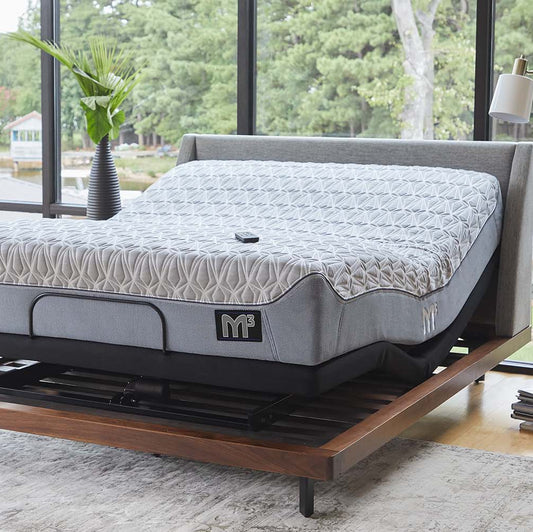
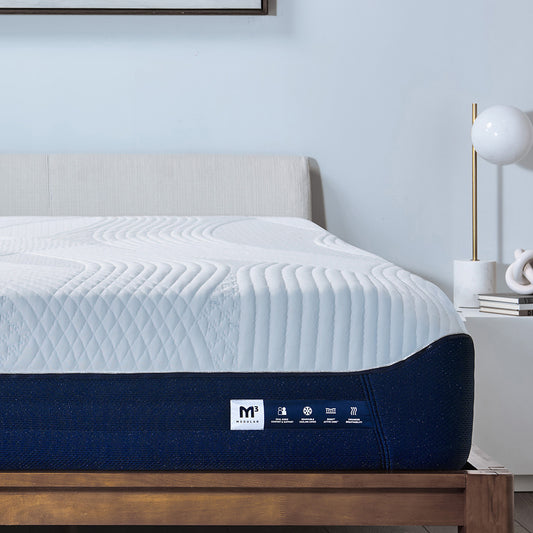
The M3 Performance® and M5 Performance® mattresses are built on a patented modular design: a removable cover, replaceable comfort layers, and independent suspension units underneath. Every major component can be accessed, swapped, or reconfigured.
That design flips the replacement question entirely. When a comfort layer softens after years of use, you replace the comfort layer; not the mattress. If your support needs change, you swap the suspension units on your side. The patent behind this customizable, modular mattress design describes a system built to be reconfigured over time rather than discarded.
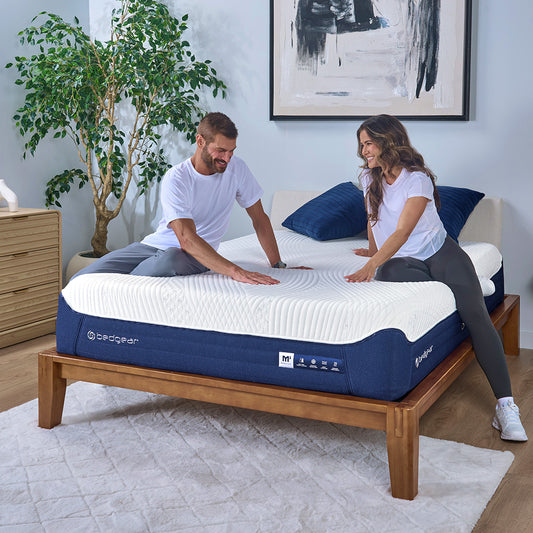
It's also a two-sleeper solution. Each side of the mattress is independently configurable, so one of you can run firmer support while the other runs softer; no compromise down the middle.
And because the design is serviceable by design, with a removable cover and accessible internals, you can care for the inside of the mattress in ways a sealed, glued construction simply doesn't allow.
Traditional advice says you can't wash your mattress; modular construction rewrites part of that rule.

Now, do yourself a favor and think about what that does to the 7-10 year clock. Instead of one big replacement decision, you get small, cheap course corrections along the way. The mattress evolves with you; through firmness changes, new sleep partners, and plain old wear.
If you want the full construction story, our comparison of hybrid vs. traditional mattresses is the place to start!
Can you really replace parts of a BEDGEAR mattress instead of buying a new one?
Yes. The M3 and M5 Performance® mattresses use a patented modular design with a removable cover, replaceable comfort layers, and independent suspension units. If a layer softens or your firmness needs change, you replace that component; replacement comfort layers and suspension units are sold individually on bedgear.com.
One Mattress. Two Sleepers. Zero Compromise.
The Modular Hybrid Collection lets each sleeper configure their own side and replace components as life changes. It's the last mattress decision you'll want to overthink.
How to Make Any Mattress Last Longer
Whatever you're sleeping on right now, a few habits will stretch its useful life. None of them are complicated; most people just skip them. We know we spilled our little secret already, but at the end of the night, your sleeping situation can always be improved, even with some extra bed gear.
Use a Mattress Protector From Day One
Moisture and spills accelerate foam breakdown, and stains void many warranties outright. A breathable protector guards the investment without trapping heat. It's the cheapest insurance policy in the bedroom, and one you should consider investing in.
Rotate the Mattress Every 3-6 Months
Rotating head-to-foot distributes wear instead of concentrating it under your heaviest zones. Set a reminder when the seasons change and it becomes automatic. Skip this for mattresses with dedicated zoning unless the manufacturer says otherwise, and say goodbye to that divot situation.
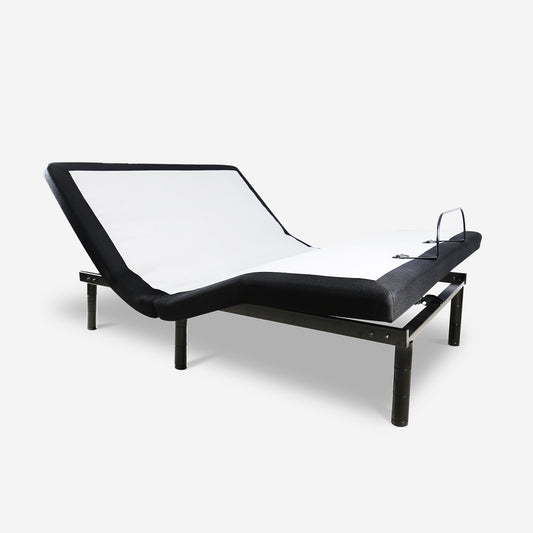
Put Your Mattress on a Proper Adjustable Base
A sagging or unsupportive foundation transfers its problems straight up into the mattress. Even a brand-new mattress will age fast on a broken base. Check the slats and frame at least once a year.
Wash What's Washable
Protectors, sheets, and removable covers should hit the laundry on a regular rotation. Clean bedding keeps allergens and moisture from working into the layers below. The mattress lasts longer when its first line of defense stays fresh.
Give It Airflow
Letting the bed breathe each morning before making it helps moisture escape instead of settling in. Ten minutes with the covers pulled back does more than you'd think. Humidity is quietly one of a mattress's worst enemies.
The protector is the highest-leverage habit on that list, and it's the one people debate the most. If you're on the fence, here's our full case for whether a mattress protector is necessary; spoiler, we think the answer is yes, and the Performance® protector lineup is built to protect without blocking airflow.
How often should you replace a mattress protector or topper?
A quality protector generally lasts 1-2 years with regular washing before the barrier and fit degrade; replace it sooner if it tears or stops fitting snugly. A mattress topper typically lasts 3-5 years depending on material. Both wear faster than the mattress because they take the most direct contact and wash cycles. Our mattress topper guide covers when a topper helps and when it's just delaying the inevitable.
What About Foundations and Bases?
The thing under your mattress has a lifespan too, and it's often the silent culprit behind a "worn out" bed. A foundation or box spring typically lasts 8-10 years; roughly one to two mattress cycles. When slats crack or the frame starts to flex, every one of those flaws telegraphs up into the mattress above it.
The practical rule: whenever you replace your mattress, inspect the base before assuming it can stay. Creaks, visible sag, or broken slats mean it goes too.
Solid platform bases and adjustable power bases generally outlast traditional box springs, which is one more reason they've been taking over the category.
How often should you replace a mattress foundation or box spring?
Plan on 8-10 years for a typical foundation or box spring, and sooner if it creaks, sags, or has broken slats. A compromised base shortens the life of any mattress on top of it. Platform and adjustable bases tend to last longer than traditional box springs.
How Often Should You Replace Your Mattress? Only When You Have To
So, how often should you replace your mattress? Use 7-10 years as your planning window, but let the evidence make the call: sagging, body impressions, morning soreness, and the hotel-bed test all outrank the calendar. When two or three of those show up together, it's time.
And before you commit to another disposable mattress, consider the math on modular. A design where the comfort layers, suspension units, and cover can each be replaced independently turns one big decision every decade into small adjustments whenever you need them. Your mattress should evolve with your life; not expire on a schedule.
Not sure where to start? Our mattress buyer's guide walks through every decision point, from construction to firmness to fit.
Mattress Replacement FAQs
We know we've gone through a lot already, but if you have more questions, stick around. We clear the air on some additional mattress replacement questions below.